
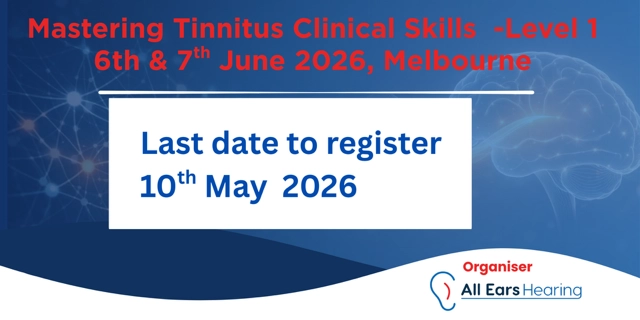
Profession Tinnitus Training Course in Melbourne. 6 & 7 June 2026
Mastering Tinnitus Clinical Skills – Level 1
Clinical Assessment, Differential Diagnosis & Therapeutic Communication
Two-day, face-to-face clinical training | Melbourne
Last date of registration- 10 May 2026
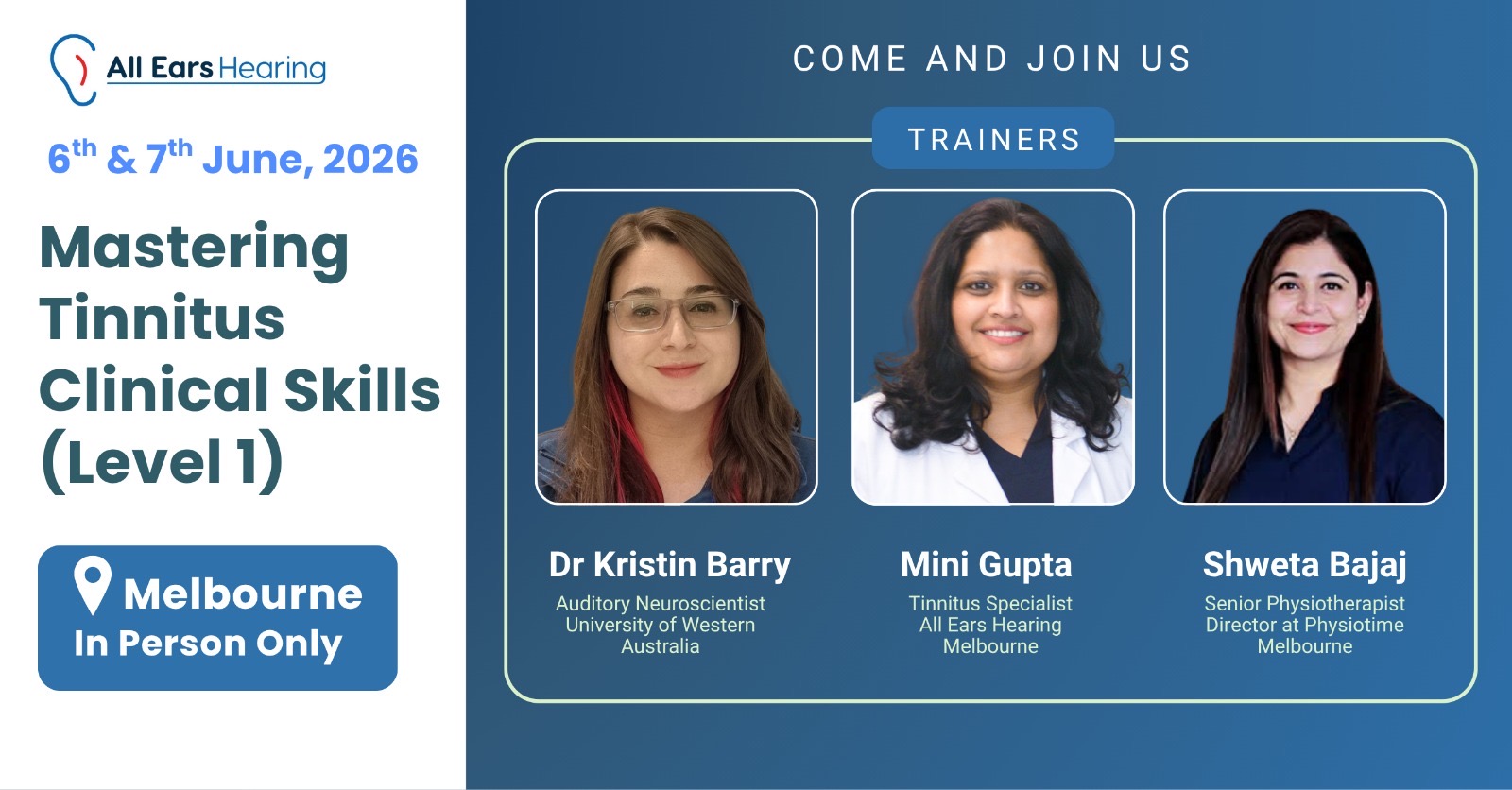
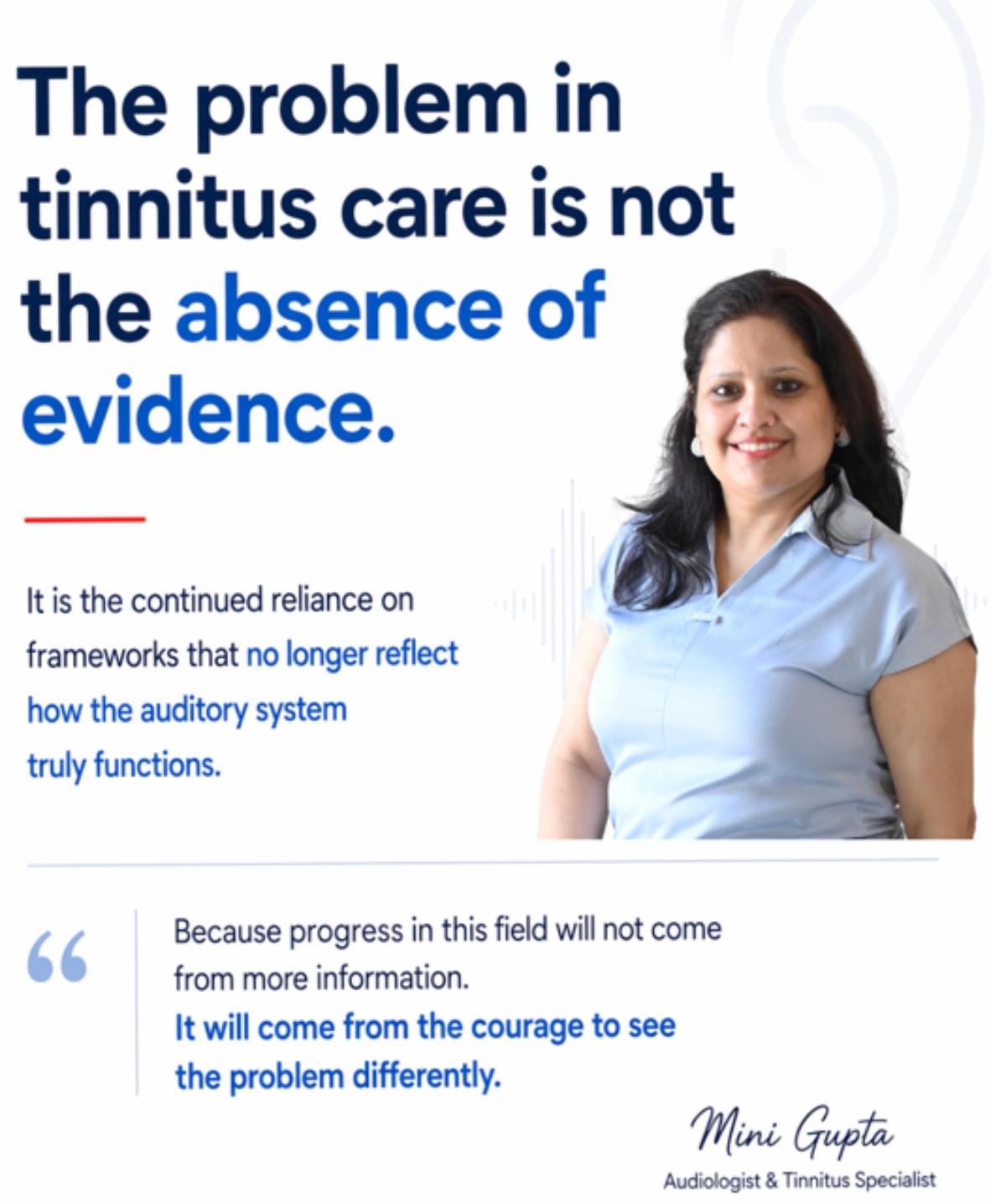
This two-day, face-to-face clinical training course in Melbourne is designed to upskill professionals in the ear and hearing field in clinical assessment, differential diagnosis, and the practical application of audiological knowledge for patients presenting with tinnitus.
The program focuses on how audiologists use auditory system physiology, test findings, and clinical reasoning to understand tinnitus presentations and guide management from the very first appointment.
Rather than treating assessment and communication as separate processes, this course integrates them — showing how what we assess, how we interpret results, and how we frame those findings directly influence tinnitus outcomes.
This course is grounded in real clinical practice and reflects the realities of tinnitus work in everyday audiology clinics.
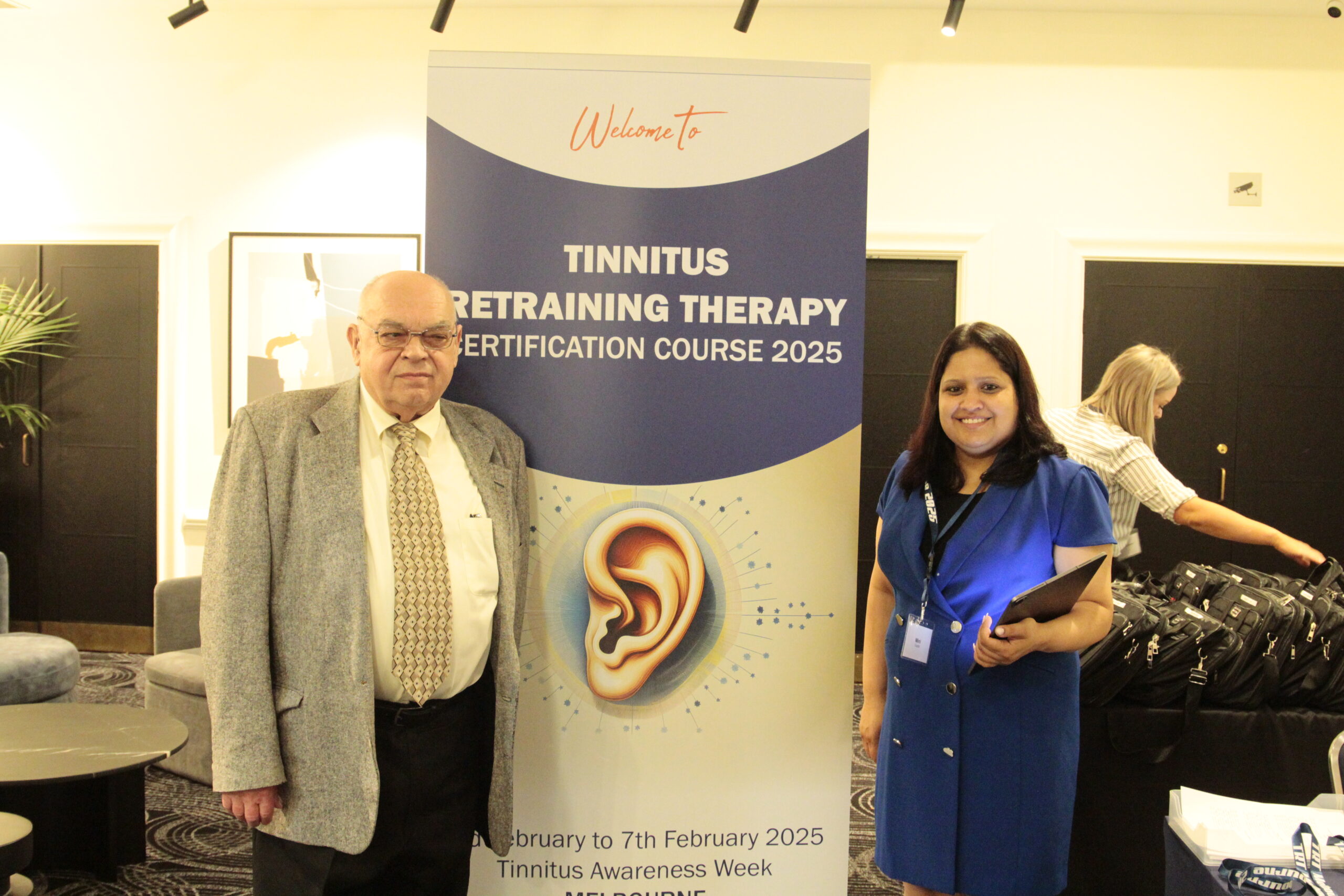
Topics Covered
This Level 1 program provides a structured, clinically grounded exploration of tinnitus, focusing on assessment, differential diagnosis, and interpretation of findings within everyday audiology practice.
Foundational understanding of tinnitus
• Core principles and definitions of tinnitus
• Differentiating types of tinnitus:
◦ Pulsatile tinnitus
◦ Non-pulsatile tinnitus
◦ Somatosensory tinnitus
• Understanding causes and triggers associated with different tinnitus presentations
Mechanisms and neurophysiology
• Mechanisms involved in tinnitus generation and maintenance
• Understanding tinnitus using:
◦ Central gain concepts
◦ Neurophysiological principles underpinning the TRT model
• Role of the brainstem and non-auditory brain regions in tinnitus development and persistence
• Autonomic nervous system involvement and its relationship to tinnitus distress
Clinical assessment and case history
• Distinguishing when tinnitus is:
◦ A symptom
◦ Versus when it has evolved into a disorder
• Appropriate use of validated questionnaires to build a comprehensive understanding of the individual patient
• Pre-appointment questionnaires:
◦ Nature of tinnitus
◦ History and onset
◦ Associated medical and health conditions
Audiological and physical assessment
• In-depth assessment of:
◦ External ear canal
◦ Middle ear
◦ Inner ear
◦ Auditory nerve
• Understanding why each component is assessed and how findings relate to tinnitus
• Role of musculoskeletal and somatosensory structures in tinnitus generation and modulation
Interpretation, explanation, and management planning
• Interpreting assessment findings in the context of tinnitus
• Explaining results to patients using directive counselling
• Developing treatment recommendations based on:
◦ Assessment findings
◦ Mechanisms involved
◦ Individual patient presentation
• Understanding when further investigations or referrals may be required
Additional clinical considerations
• Integrating multiple contributing factors rather than viewing tinnitus in isolation
• Recognising complexity and avoiding oversimplified explanations
Learning goals of the program
By the end of this Level 1 course, participants will develop:
- Clinical confidence in identifying and explaining the likely causes of tinnitus presented by individual patients
- Competence in detailed tinnitus-specific case history taking
- A clear understanding of the importance of a structured test battery for tinnitus assessment
- Skills to interpret audiological and related test results meaningfully
- The ability to recommend further investigations or referrals when clinically appropriate
- Confidence in using tinnitus mechanisms and TRT-based principles to provide educational counselling, addressing:
- Why the tinnitus has occurred
- How it is being generated
- Why it has appeared or worsened now
- The ability to explain the role of sound therapy when tinnitus has become a disorder, including:
- How habituation is achieved
- Why sound exposure is central to tinnitus management/li>
- Confidence in explaining why hearing aids are recommended when hearing loss is present, including:
- Clarifying that tinnitus does not cause hearing loss
- Understanding how hearing loss contributes to tinnitus development
- Explaining this relationship clearly and accurately to patients/li>
This program is designed to strengthen audiologists’ clinical reasoning and decision-making in tinnitus care, ensuring assessment findings are translated into safe, accurate, and therapeutic management from the very first appointment.
Who this program is for
This Level 1 program is relevant for:
• Audiologists at any stage of practice
• Audiologists seeking greater clarity in tinnitus‑related decision making
• Professionals working in the ear and hearing field
• ENT practitioners involved in tinnitus assessment and management
• Physiotherapists working with TMJ disorders
• GPs wanting to understand tinnitus
No prior tinnitus specialisation is required.
Course format
• Two full days of face‑to‑face clinical training
• Delivered in Melbourne (in‑person only)
• Interactive, discussion‑based learning
• Real clinical examples and practical frameworks
• Focus on clinical reasoning rather than scripts or protocols
Speakers
• Mini Gupta (read more about her)
• Additional speakers to be announced
Course details
• Dates: 6–7 June 2026 (Saturday & Sunday — June long weekend)
• Venue: Lawson College, Dandenong, Melbourne
• Delivery: Face-to-face only
Course fee: $1,639 + GST
The course fee includes:
• Two full days of face‑to‑face clinical training
• Course materials
• Participation in a small‑group, discussion‑based learning environment
• Lunch, morning tea and afternoon tea
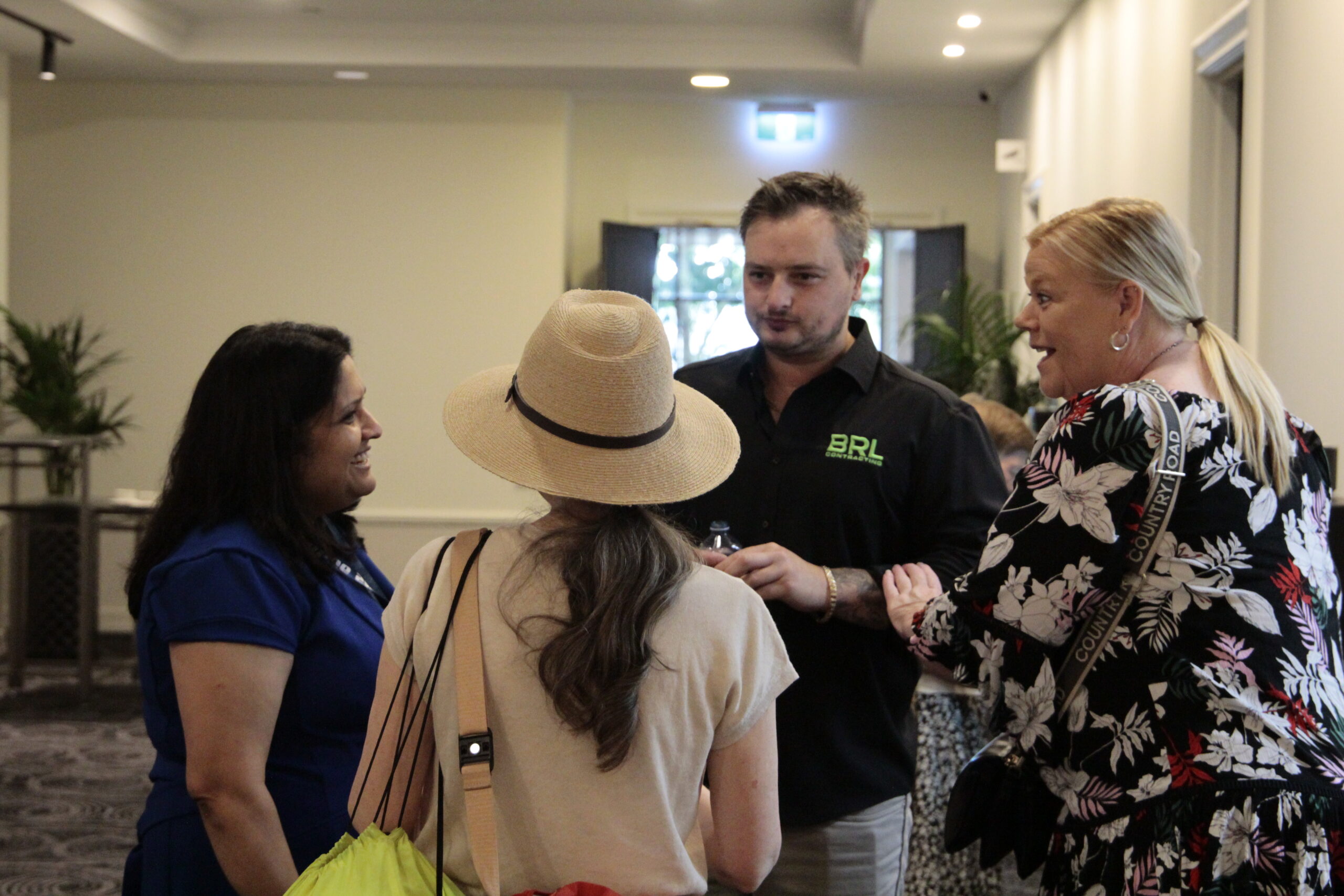
Strengthening Care for Tinnitus and Other Complex, Less-Understood Auditory Disorders
As part of this program, 10% of the course fees will be directed towards ATHMA – Australian Tinnitus Hyperacusis & Misophonia Association.
ATHMA was announced in 2024 during Tinnitus Awareness Week with the aim of establishing a structured national organisation to support individuals affected by tinnitus and other complex, less-understood auditory disorders, including hyperacusis and misophonia.
One of the broader intentions of this course is to contribute towards the formal establishment of ATHMA. Progress in establishing the organisation has been limited by challenges in securing early-stage funding required for organisational structure, governance, and essential administrative formalities.
Funds raised through this course will contribute to:
• Establishing organisational and governance structures
• Supporting essential legal and administrative requirements
• Laying the groundwork for future advocacy, education, and support initiatives
This reflects a commitment to strengthening care for tinnitus and other complex auditory conditions beyond the clinic, and to supporting the development of a dedicated national body focused on these often-under-recognised conditions.
CPD information
This course has not been formally endorsed or accredited by any professional body.
However, participants may choose to record this course as a non-endorsed CPD activity, in accordance with the CPD requirements of their relevant professional organisation. Participants are responsible for determining how this activity aligns with their individual CPD frameworks and record-keeping obligations