


Appointment Request
Autism & Sound Sensitivity in Children
TRT Sound Desensitisation Therapy in Melbourne
All Ears Hearing & Tinnitus Clinic
Specialist Audiological Care for Autism, Sound Sensitivity & Tinnitus
Is your child’s sound sensitivity getting worse despite support?
Many parents arrive at this page after months or years of searching online.
You may be noticing that:
- Everyday sounds now trigger distress, meltdowns, or shutdowns
- Headphones or ear defenders help less and less
- School participation is becoming harder
- Occupational therapy, psychology, or behavioural strategies are no longer helping as expected
- Quality of life and daily functioning continue to decline despite doing “all the right things”
If this sounds familiar, you are not alone — and you are not missing something obvious.
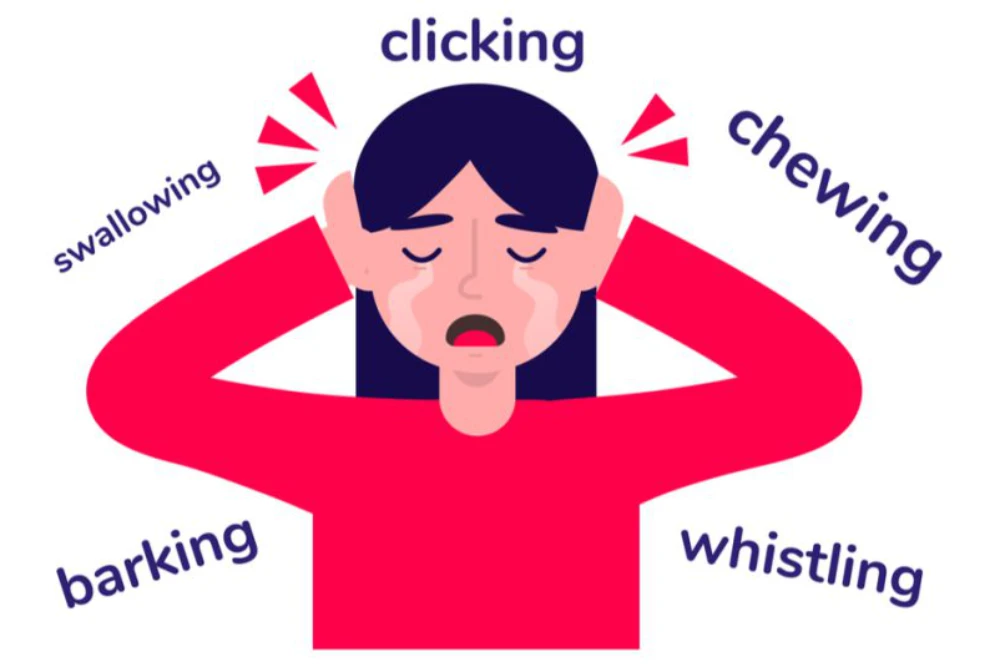

Why sound sensitivity has such a powerful impact in autism
Of all sensory systems, the auditory system places the greatest load on the brain.
Hearing is always active — even during sleep — and is directly linked to:
- safety detection
- attention
- emotional regulation
- stress responses
When the auditory system becomes over-responsive, the brain remains in a constant state of alert. This makes it extremely difficult for other therapies to work effectively.
This is why many families notice that:
- functional challenges increase over time
- fatigue and emotional dysregulation worsen
- gains from other sensory or developmental therapies plateau or reverse
Unless the auditory system itself is stabilised, progress in other areas often remains limited.
Understanding sound sensitivity disorders
Sound sensitivity is not one single condition.
During assessment, we differentially diagnose which sound sensitivity disorder your child is experiencing, as treatment protocols differ significantly.
We assess for:
- Hyperacusis – physical discomfort or pain related to sound intensity
- Misophonia – strong emotional reactions to specific sound patterns
- Phonophobia – fear-based reactions to sound
We also assess whether sound sensitivity is present with or without tinnitus.
Many children experience tinnitus but have never mentioned it to their parents, because they assume everyone hears the same sounds or do not realise it is unusual. Even when unspoken, tinnitus adds a significant ongoing load on the brain.
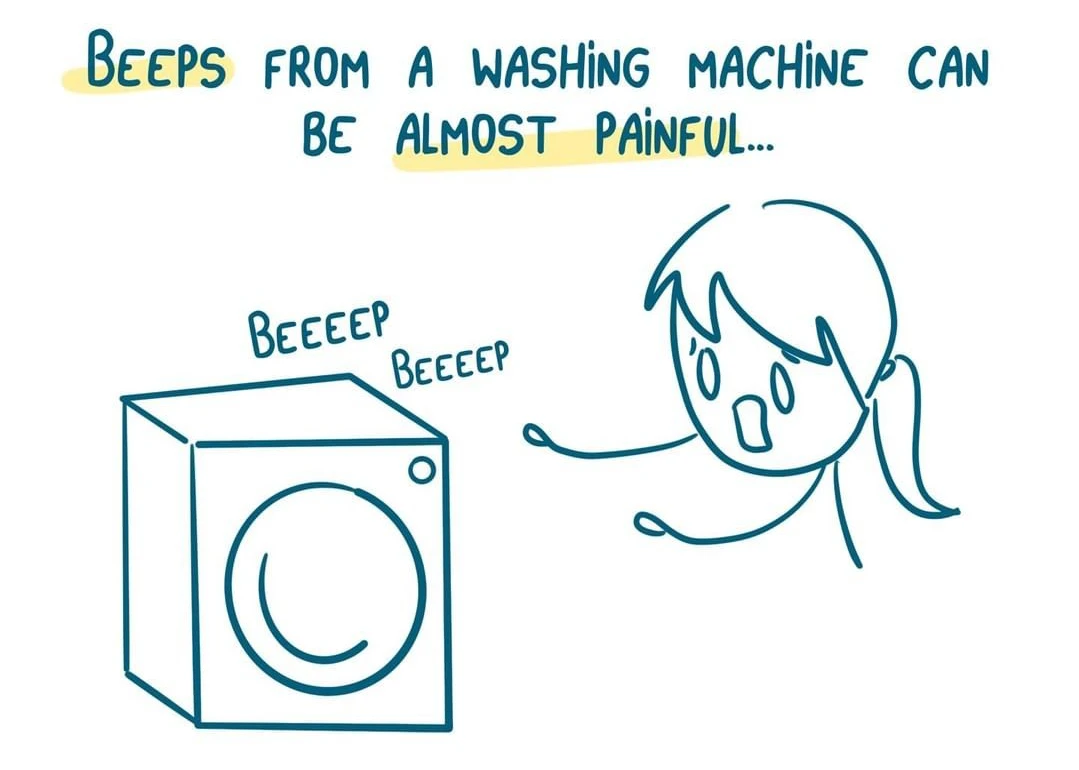
Assessment is conducted using mindful, child-appropriate language, ensuring the child feels safe, understood, and not alarmed.
Why common approaches often stop helping
Parents are frequently advised to:
- reduce sound exposure
- avoid noisy environments
- rely on headphones or ear defenders
While these strategies may help temporarily, long-term sound avoidance often increases auditory reactivity.
Many families are also advised to trial FM systems or low-gain hearing aids. In sound-sensitive children, these can sometimes worsen distress.
If a low-gain hearing aid or FM system was poorly tolerated or unsuccessful, it is often a sign that the auditory system itself is oversensitive. Without first addressing this through desensitisation, amplification-based approaches may continue to feel overwhelming.

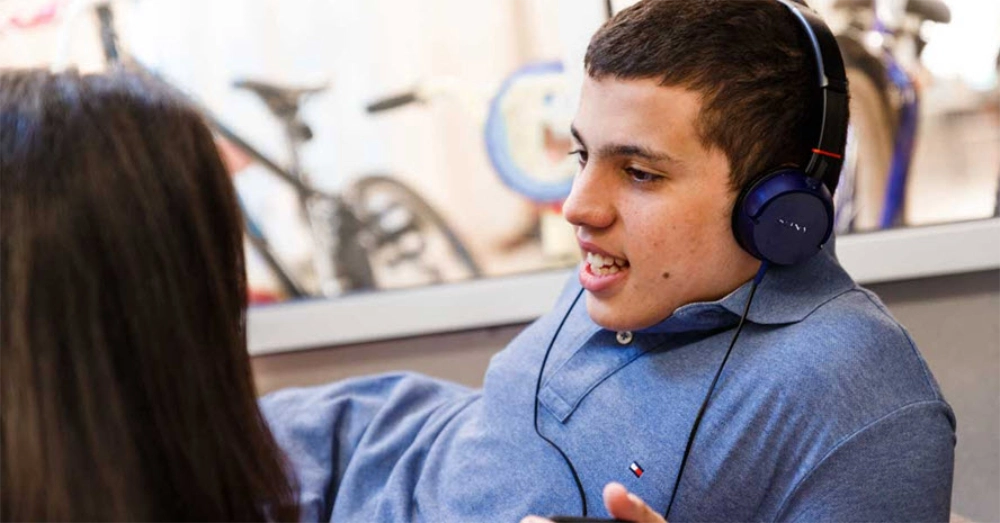
Our approach: auditory desensitisation, not exposure therapy
The goal of our therapy is central auditory system desensitisation, delivered using the sound desensitisation protocol of Tinnitus Retraining Therapy (TRT).
This is not exposure therapy.
We do not force children to tolerate distressing sounds or “push through” discomfort. Instead:
- sound is introduced gently and systematically
- sound type, level, and timing are individually selected
- the auditory system is supported to relearn that sound is safe
This reduces sound reactivity at a neurological level and allows the nervous system to settle.
Why this service is unique to our clinic
This service is not standard audiology and not behavioural therapy.
At All Ears Hearing & Tinnitus Clinic, this work is led by Mini Gupta, a highly qualified audiologist and professionally trained speech therapist, with advanced studies and specialist training in tinnitus and sound sensitivity. This rare combination allows Mini to integrate deep auditory neuroscience with communication, developmental, and sensory understanding when working with autistic and neurodivergent children.
This service is delivered in close collaboration with Ingrid Lau, a specialist audiologist who has trained extensively under Mini Gupta specifically in the assessment and treatment of tinnitus and sound sensitivity using TRT-based protocols.
Mini Gupta and Ingrid Lau work together as a specialist clinical team, providing:
- comprehensive audiological assessment
- careful differential diagnosis (hyperacusis, misophonia, phonophobia, with or without tinnitus)
- individualised sound desensitisation treatment planning
This team-based approach ensures each child receives a thorough, nuanced, and well-supported pathway of care.
This depth of expertise and collaborative delivery model is not commonly available in Australia.
What therapy looks like in practice
Following assessment, children receive individually programmed sound therapy based on their diagnosis.
Most children notice symptomatic relief from day one once appropriate sound therapy is introduced.
Parents often tell us their child:
- feels calmer around sound
- experiences less distress
- feels safe during appointments
- enjoys returning to the clinic
This positive response occurs because the therapy aligns with how the auditory system actually functions.
For a detailed explanation Tinnitus Retraining Therapy (TRT) and how it is implemented in practice, please visit our Tinnitus Retraining Therapy (TRT) page
Important information about funding
At present, there is no government or NDIS funding available for this specialised sound sensitivity service.
All autism and sound sensitivity services at All Ears Hearing & Tinnitus Clinic are provided as private services.
We will explain the assessment process, expected commitment, and fees clearly before you proceed.
Take the next step
If sound sensitivity is limiting your child’s daily life, specialist help is available.
A focused assessment is the first step toward understanding what is happening and determining whether this unique TRT-based approach is right for your child.