
Misophonia Treatment Melbourne
The sound of chewing makes your heart race. Breathing, sniffing, tapping. Sounds other people barely notice fill you with anger or panic. That reaction has a name: misophonia. It is real, and it is treatable.
All Ears Hearing & Tinnitus Clinic is a specialist clinic for tinnitus and sound sensitivity disorders. Sound sensitivity is the centre of our work, in adults, teenagers and children. We see patients in clinic and by telehealth across Australia.
What is misophonia?
Misophonia means a strong reaction to specific sounds. Small, repeated sounds trigger instant anger, disgust, anxiety, or a desperate need to leave the room. Common triggers include chewing, breathing, sniffing, throat clearing, lip smacking, keyboard tapping and pen clicking.
The reaction is impulsive. It fires before thinking has a chance, which is why willpower alone cannot stop it. Audiologists group misophonia with hyperacusis under one umbrella, decreased sound tolerance, and the two often occur together.
Misophonia is not rudeness, weakness or fussiness. It is a conditioned pattern in the auditory, limbic and autonomic networks that assign meaning to sound, and research can measure it. Hearing tests are usually normal, which is exactly why proper assessment matters: the problem is real, but it does not show on a standard hearing test.
Signs you may have misophonia
- Certain soft sounds cause instant anger, disgust or panic
- Family members trigger you most, especially at mealtimes
- Anxiety builds before the sound even starts, when you know it is coming
- You avoid meals, offices, classrooms or car trips because of sound
- Your body reacts: racing heart, tight chest, tense jaw and shoulders
- Relief arrives the moment the sound stops, and guilt often follows
If several of these feel familiar, do not settle for guesswork. An accurate diagnosis is the first treatment decision.
Wondering if this is you? A specialist assessment gives you the answer.
Is it really misophonia?
Many patients arrive having diagnosed themselves online. Sometimes they are right. Often they are not. Several sound sensitivity disorders resemble each other on the surface, and each one needs different treatment.
Misophonia
Specific sounds trigger anger or disgust, at any volume.
Hyperacusis
Ordinary sounds feel too loud or even painful.
TTS/TTTS
Tonic tensor tympani syndrome: the tensor tympani muscle holds sustained tension, causing fullness, flutter and ear ache.
Phonophobia
Fear of sound itself.
Loudness recruitment
Steep loudness growth with cochlear hearing loss: sounds jump from too soft to too loud.
Hyperacusis and misophonia occur together so often that specialists treat distinguishing them as a core assessment task. Treating the wrong one wastes months, and some self-help habits, such as constant earplug use, make the real condition worse.
This is why every patient begins with a full case history and specialist assessment. We confirm which sound sensitivity disorder is present, and whether more than one is present, before any treatment starts.
The science: why mouth sounds?
Functional brain imaging shows that trigger sounds activate the salience network, centred on the anterior insula, together with a measurable fight-or-flight response (Kumar et al., 2017). Newer research adds a surprising piece: in misophonia, the auditory cortex is unusually strongly connected to the orofacial motor areas, the regions that drive the mouth and jaw (Kumar et al., 2021).
Hearing chewing quietly switches on your own mouth movement system, as if copying the sound. In misophonia the copying runs too strong, and it is wired to the alarm. That is why nearly all the worst triggers are mouth and nose sounds.
Misophonia is a mouth-sound disorder, and the tensor tympani is the mouth’s muscle inside the ear. The overlap is not a coincidence.
That small ear muscle braces with every trigger reaction, which is why many patients also feel fullness or fluttering around the ear. Details like these matter: they change the assessment, and they change the plan.
Research is also mapping the thinking side of misophonia. Attention, context and what a sound means to you all shape the reaction, which is why the same chewing can feel unbearable at home yet go unnoticed in a busy food court. Retraining works on exactly these levers.
Misophonia in children and teenagers
Misophonia often begins in the school years. Parents usually notice it at the table first: a child who suddenly cannot sit near a sibling who chews, who eats alone, who wears headphones at dinner, or who explodes at sounds nobody else can hear.
Two things matter here. The reaction is impulsive, not chosen, so punishment and forcing make it worse. And anxiety often builds before the sound even starts, so avoidance quietly grows around meals, classrooms and car trips. Early assessment stops that spiral, and gives the whole family one explanation instead of daily conflict.
Misophonia and autism
Children and adults with autism very often have misophonia. In a 2026 study of more than 1,000 autistic adults, about one in four reported moderate or worse misophonia symptoms, and earlier studies found misophonia several times more common in autistic people than in the general population (Smit et al., 2026). Sensory sensitivity appears to mediate the link.
Our clinic has a special interest in the autistic auditory system and sound sensitivities. Assessment is adapted: observation and parent report carry more weight, nothing is forced, and every step is consent-led. Families leave with an explanation that finally makes sense of the mealtime battles, and a plan that respects the child.
Our approach: the TRT misophonia protocol
We treat misophonia with the tinnitus retraining therapy (TRT) protocol for misophonia, developed by Jastreboff and Jastreboff. It is one of the few structured, protocol-based treatments available, and it has been used for more than 20 years.
83%
published success rate (Jastreboff & Jastreboff, 2023)
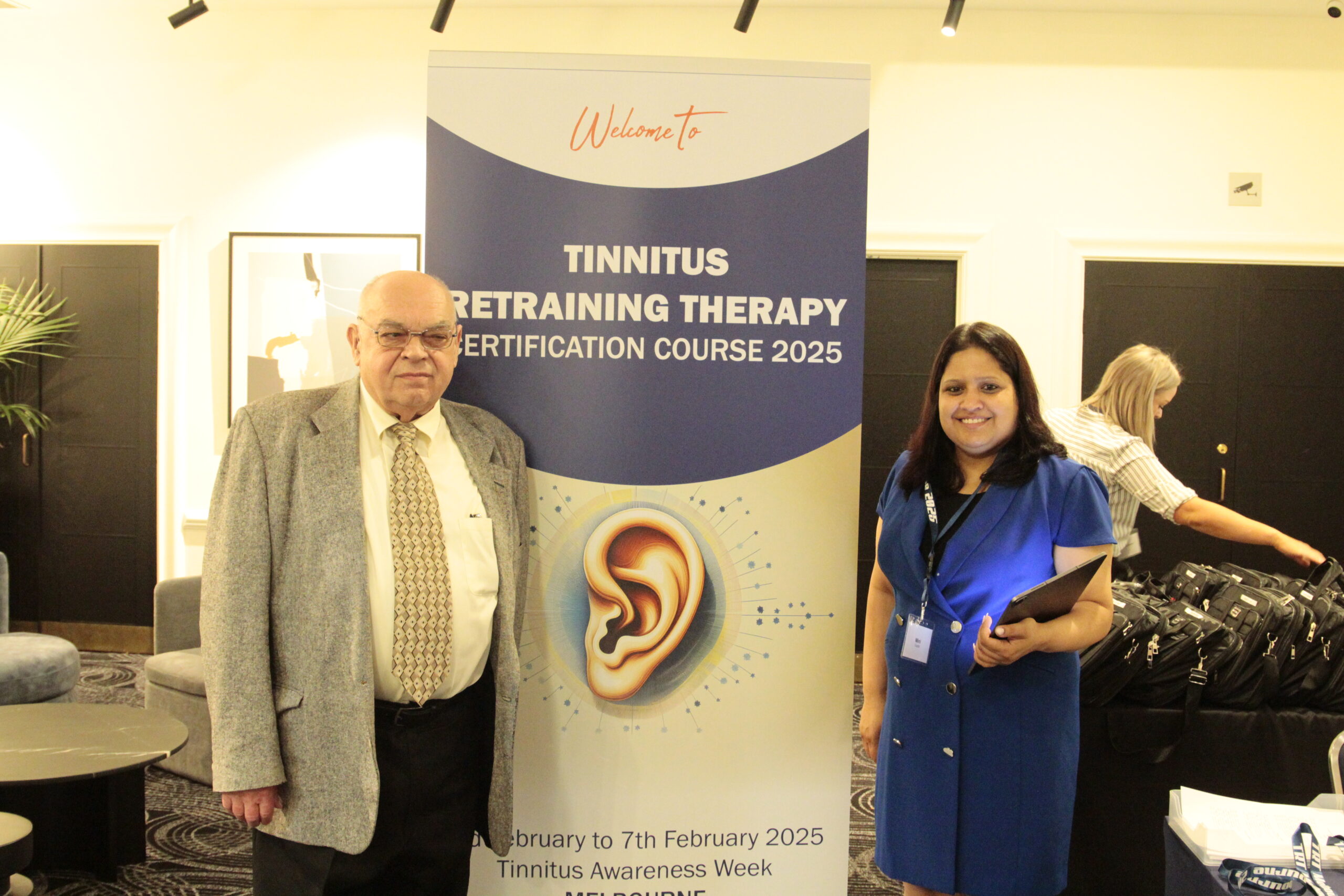
Mini Gupta with Professor Pawel Jastreboff, the developer of TRT, at the TRT Certification Course, Melbourne, February 2025.
And we tailor it to each patient. No two misophonia cases are the same, so no two treatment plans here are the same. What your program looks like depends on your assessment: your triggers, your history, your goals, and whether hyperacusis, tinnitus or TTS/TTTS is also present. We explain your plan at your first appointment, in plain language, with your family included when that helps.
Where it strengthens the plan, we work with myofunctional health professionals, dentists and physiotherapists. Treatment is available in clinic and by telehealth.
Your audiology team

Mini Gupta
Specialist Audiologist: Tinnitus and Sound Sensitivity
Mini is certified in the formal TRT protocol and trained with Professor Pawel Jastreboff, the developer of the method. Her expertise in tinnitus and sound sensitivity is internationally recognised. She presents at conferences worldwide and treats decreased sound tolerance across the lifespan, from school-aged children to veterans.
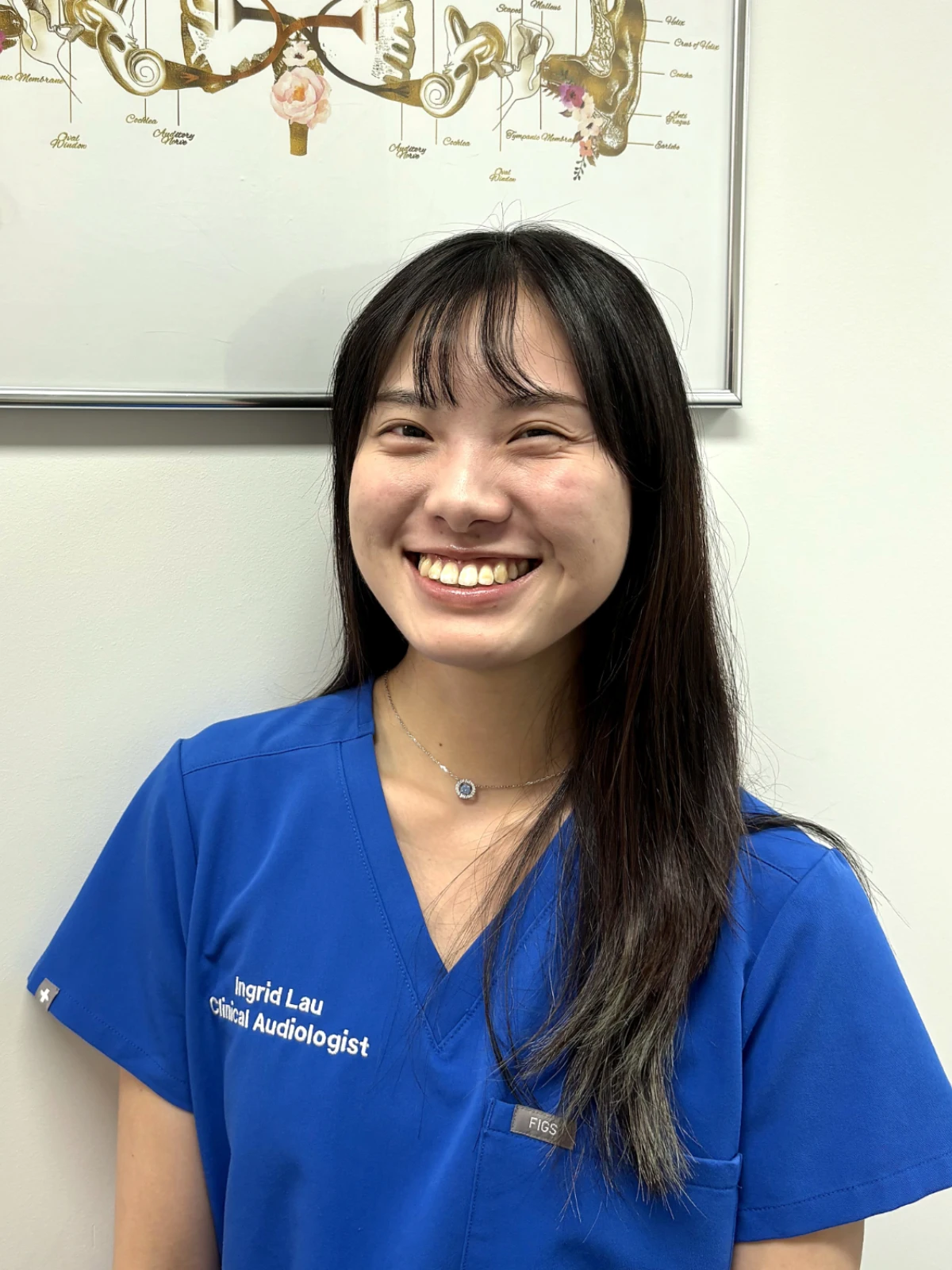
Ingrid Lau
Clinical Audiologist
Ingrid is also certified in the formal TRT protocol, and leads our paediatric and auditory processing services, supporting our work with children and teenagers.
Meet the whole team on our About Us page.
Your first appointment
Your first visit is unhurried. We take a full case history, map your triggers, and test gently. Nothing loud and nothing sudden happens in our Melbourne rooms. You leave with a confirmed diagnosis or a clear plan to reach one, an explanation that makes sense, and the shape of your treatment.
We see patients at Mount Waverley, Bentleigh East and Yarra Junction, and by telehealth across Australia. Most patients tell us the first appointment already brings relief.
If several of these feel familiar, do not settle for guesswork. An accurate diagnosis is the first treatment decision.
Ready to be understood?
Misophonia questions we hear every week
I read about misophonia online. Can I treat it myself?
Be careful. Several sound sensitivity disorders look alike, and the wrong self-help makes some of them worse. Constant earplug use, for example, increases sound sensitivity over time. A full case history and specialist assessment confirms what you actually have, so treatment starts in the right place.
Is misophonia a real condition?
Yes. Research can measure the reaction in the body and in the sound networks. Misophonia is real, automatic and treatable. It is not a character flaw, and it is not something you could simply stop.
Is misophonia a mental illness?
No. Misophonia is a disorder of decreased sound tolerance involving auditory, limbic and autonomic networks. It is not a psychiatric diagnosis. Anxiety and stress often accompany it, and structured treatment eases those as well.
What sounds commonly trigger misophonia?
The most common triggers are mouth and nose sounds: chewing, crunching, slurping, breathing, sniffing and throat clearing. Repetitive sounds such as keyboard tapping, pen clicking and ticking clocks are also common. Most people react to a personal set of triggers, and the set can grow without treatment.
Can misophonia be cured?
There is no instant cure, and you should be cautious of anyone promising one. Misophonia responds well to structured retraining. We use the TRT protocol for misophonia, tailored to each patient, with a published success rate of 83%.
How long does treatment take?
Retraining is measured in months, not days. Many patients notice early changes in the first weeks, and progress builds steadily as the program continues. Your reviews include outcome questionnaires, so progress is measured, not guessed.
Is misophonia the same as hyperacusis?
No. Hyperacusis is about loudness: ordinary sounds feel too strong. Misophonia is about meaning: specific sounds feel unbearable at any volume. They often occur together, which is one more reason assessment comes first.
My autistic child cannot stand chewing sounds. Can you help?
Yes. Misophonia is very common in autistic children. We adapt the assessment fully: observation and parent report lead, nothing is forced, and sessions stay gentle. Families leave with an explanation and a plan that respects the child.
Will my child grow out of misophonia?
Some children improve with time, but many carry misophonia into adulthood, and untreated misophonia tends to collect new triggers along the way. Early, gentle retraining changes that path, and it spares years of mealtime conflict at home.
Can adults have misophonia?
Yes. Misophonia usually begins in the school years, but adults live with it for decades and can start treatment at any age. Retraining works in adults too.
Are noise-cancelling headphones a good idea?
They have a place, and a cost. Noise-cancelling headphones can rescue the hardest moments, such as an exam or a long flight. Worn all day, they work like earplugs: sensitivity rises and the trigger list grows. We help you use them strategically, with gentle sound rather than silence underneath.
Can I do this by telehealth?
Yes. Assessment and treatment are available by telehealth across Australia, as well as in our Mount Waverley, Bentleigh East and Yarra Junction rooms.
Do I need a referral?
No. You can book directly with us. If another health professional is already involved, we are happy to work alongside them.
The research behind our approach
- Jastreboff PJ & Jastreboff MM (2023). The neurophysiological approach to misophonia: theory and treatment. Frontiers in Neuroscience. Read the paper
- Jastreboff PJ & Jastreboff MM (2013). Using TRT to treat hyperacusis, misophonia and phonophobia. ENT & Audiology News.
- Kumar S et al. (2017). The brain basis for misophonia. Current Biology.
- Kumar S et al. (2021). The motor basis for misophonia. Journal of Neuroscience.
- Smit DJA et al. (2026). Misophonia symptoms in autistic adults. Journal of Autism and Developmental Disorders. Read the paper
- Savard MA & Coffey EBJ (2025). Toward cognitive models of misophonia. Hearing Research.