Lenire tinnitus treatment in Melbourne, guided by a tinnitus specialist audiologist
Tinnitus can disturb sleep and concentration, and it is distressing to be told only to live with it. Lenire is a prescription medical device, used at home, that pairs mild electrical stimulation of the tongue with sound delivered through headphones. This combined stimulation promotes adaptive neuroplasticity in the central auditory system, and Lenire therefore aims to act on the mechanism that maintains tinnitus as well as on the distress that it causes.
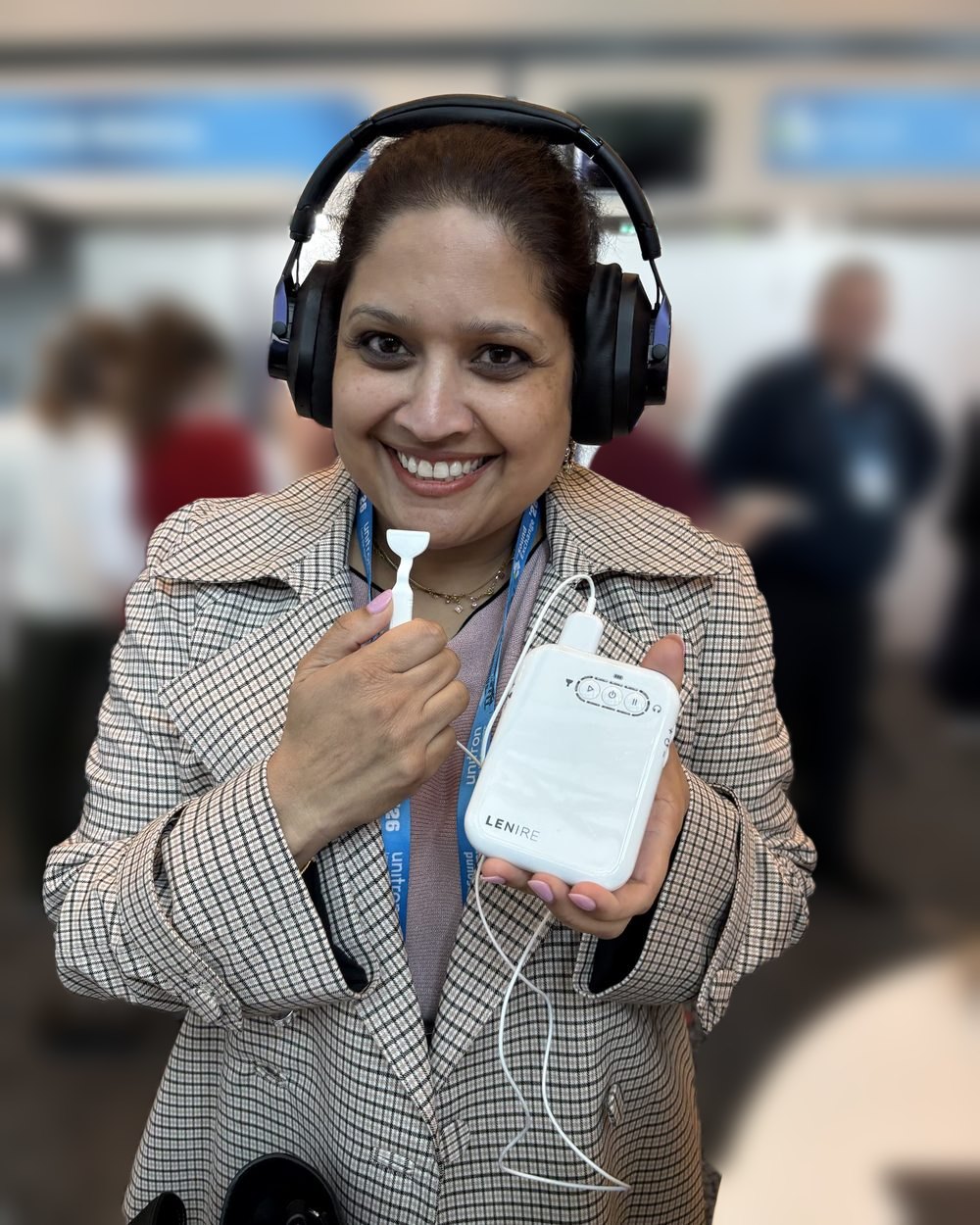
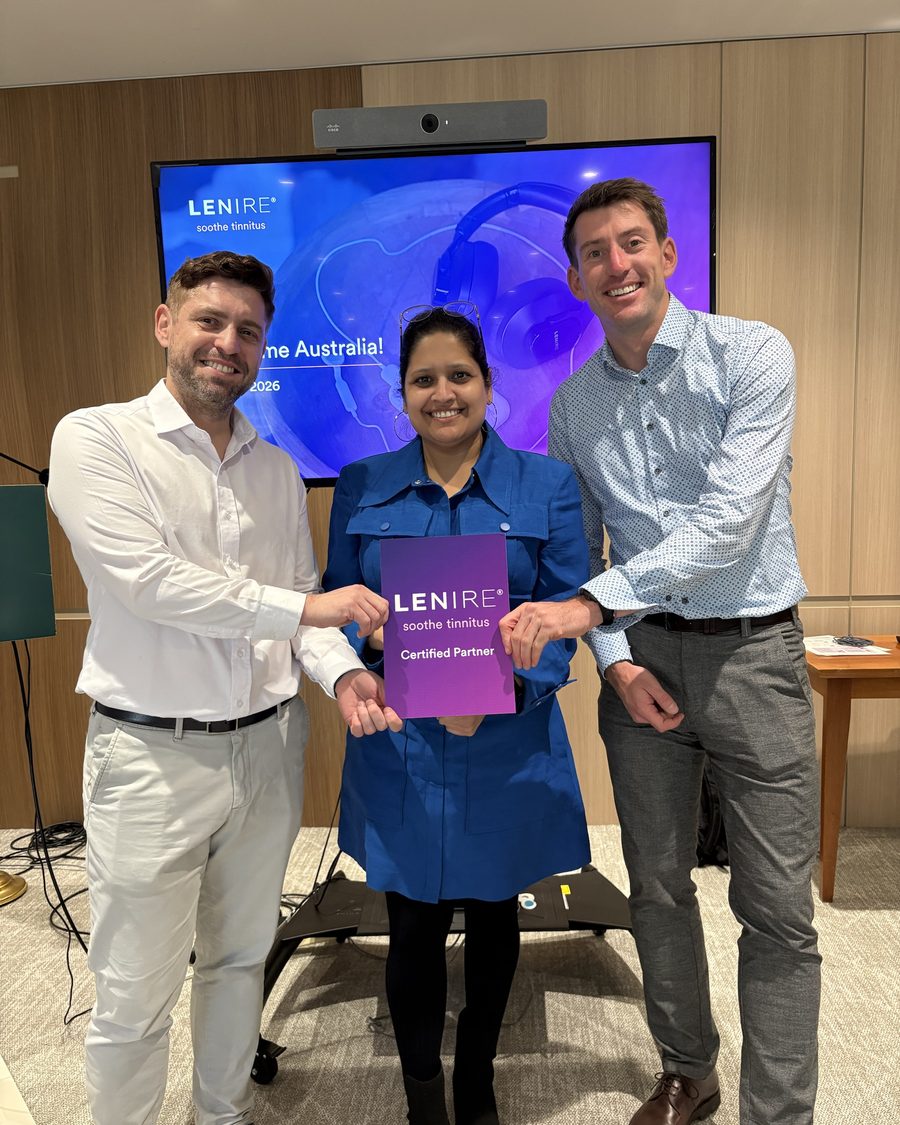
All Ears Hearing has been a certified Lenire provider since August 2026 and has specialised in tinnitus and sound sensitivity since 2017.
- Certified providerCertified Lenire provider in Australia since August 2026.
- Assessment firstA comprehensive candidacy assessment before any recommendation.
- Specialist careConsultation, fitting and every review with tinnitus specialist Mini Gupta.
- Recognised practiceIAA Practice Innovation Award 2026 for our work in tinnitus and sound sensitivity.
Assessment and follow-up at Mount Waverley, Bentleigh East and Yarra Junction. Fitting at Mount Waverley. Reviews also by telehealth.
Tinnitus is better understood today than it was a few decades ago
Tinnitus can be exhausting. It is usually most intrusive at night and in quiet rooms, and many people feel that nobody has taken it seriously. Most people who attend our clinic have already consulted a general practitioner, and many have also seen an ear, nose and throat specialist or another audiologist. They have usually been told that tinnitus is not dangerous, which is correct in most cases, and that they should learn to live with it. However, much more is known about tinnitus today than a few decades ago, and several treatments are now supported by published clinical evidence. Lenire is one of these treatments.
Tinnitus and sleep
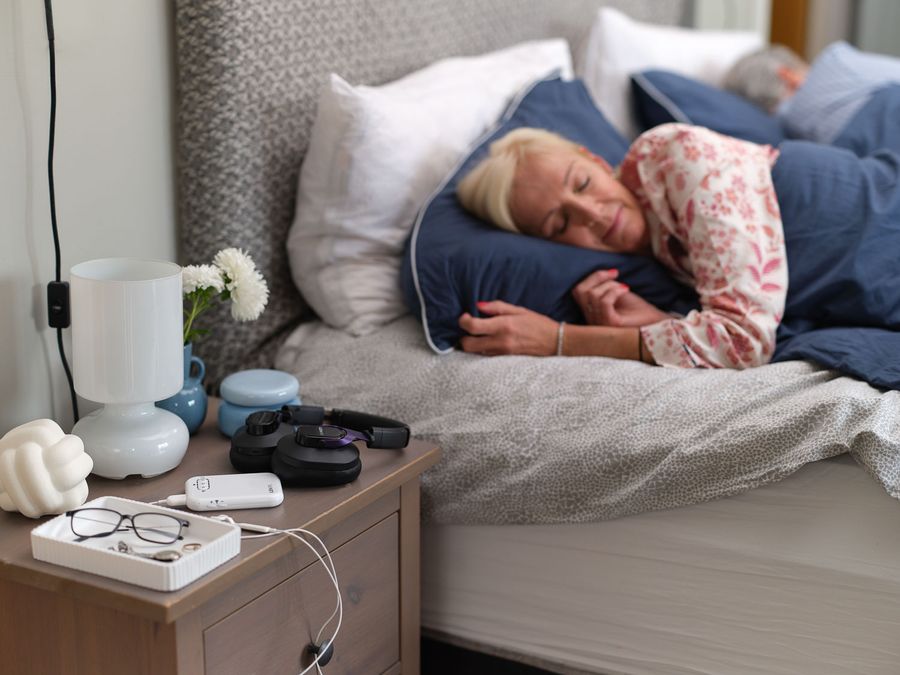
Lying awake while tinnitus fills a quiet room is one of the most common and most tiring complaints that we hear. Sleep is therefore one of the outcomes that we measure before and during treatment.

Tinnitus and concentration
Tinnitus competes for attention, and many people tell us that they can no longer follow a conversation or finish a page of a book. Concentration is assessed in the questionnaires that we use to monitor treatment.

Tinnitus and stress
A sound that cannot be switched off wears people down, and persistent tinnitus is frequently associated with stress. The aim of treatment is to reduce the effect of tinnitus on daily life, and we measure this effect with validated questionnaires.
How Lenire works: bimodal neuromodulation for tinnitus
Tinnitus is not a sound produced in the ear. It is generated in the central auditory system, which is the part of the brain that processes sound, in response to a change in the input that the system receives. When that input is reduced, even slightly, the auditory pathways reorganise, and this reorganisation, known as maladaptive neuroplasticity, is understood to generate and maintain tinnitus. Many treatments mask the sound or reduce the reaction to it. Lenire takes a different approach: it stimulates the tongue and the auditory pathway at the same time, which is intended to promote adaptive neuroplasticity in the central auditory system and to counteract the reorganisation that gave rise to the tinnitus.
Sound activates the auditory nerve
Sound delivered through the headphones activates the auditory nerve. The sound is configured from your audiogram at the fitting, so that each ear receives the appropriate level.
The Tonguetip activates the trigeminal nerve
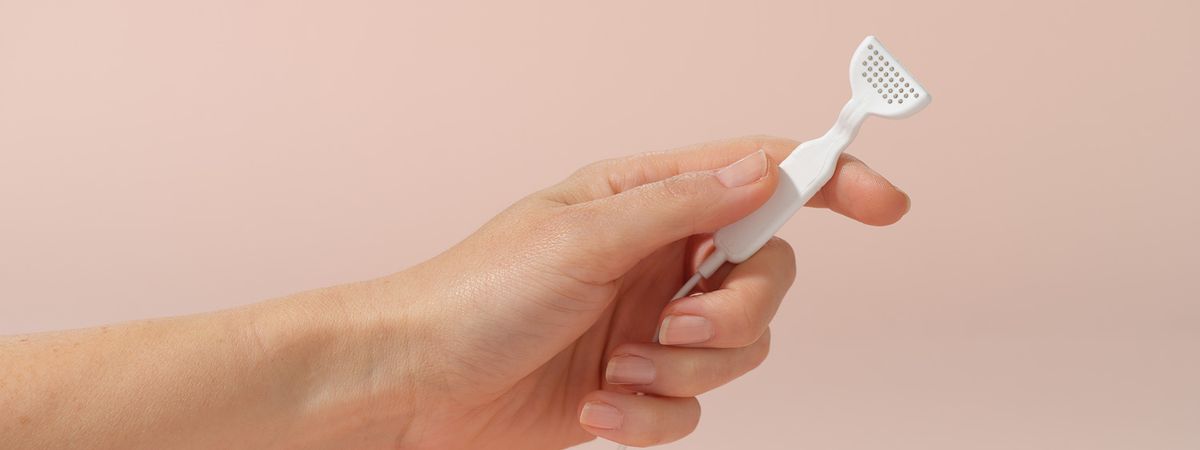
The Tonguetip contains 32 electrodes that deliver mild electrical pulses to the tip of the tongue. These pulses activate the lingual nerve, which is a branch of the trigeminal nerve. Most people describe the sensation as a light tingling.
Both inputs converge in the central auditory system
Fibres of the auditory nerve and pathways from the trigeminal nerve both project to the cochlear nucleus in the brainstem, which is the first relay of the central auditory system, and the two inputs converge again at higher levels such as the inferior colliculus. Laboratory research shows that pairing the two inputs changes the activity of neurons at these sites more strongly than sound alone. With daily sessions over several weeks, the central auditory system is thought to become less responsive to the tinnitus signal. In the clinical trials, this improvement was still present 12 months after treatment had ended.
For this reason we regard Lenire as a treatment that acts on the mechanism of tinnitus. It aims to change the activity of the central auditory system itself, and not only the response to tinnitus, which may explain why the improvement observed in the trials persisted after the treatment period. The precise mechanism in humans is still being studied.
Background research: Zhou and Shore, Journal of Neuroscience Research 2004 (trigeminal projections to the cochlear nucleus). Markovitz et al., Scientific Reports 2015 (paired sound and somatosensory stimulation). Conlon et al., Science Translational Medicine 2020.

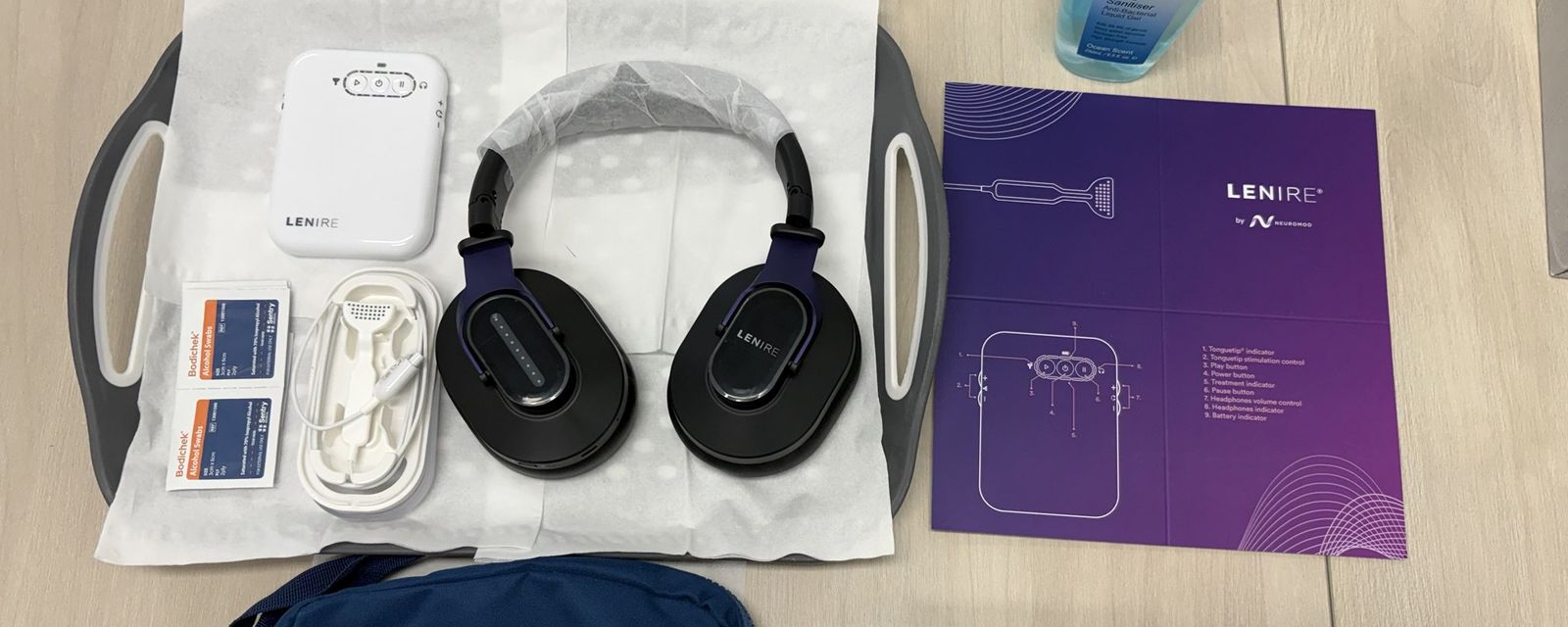
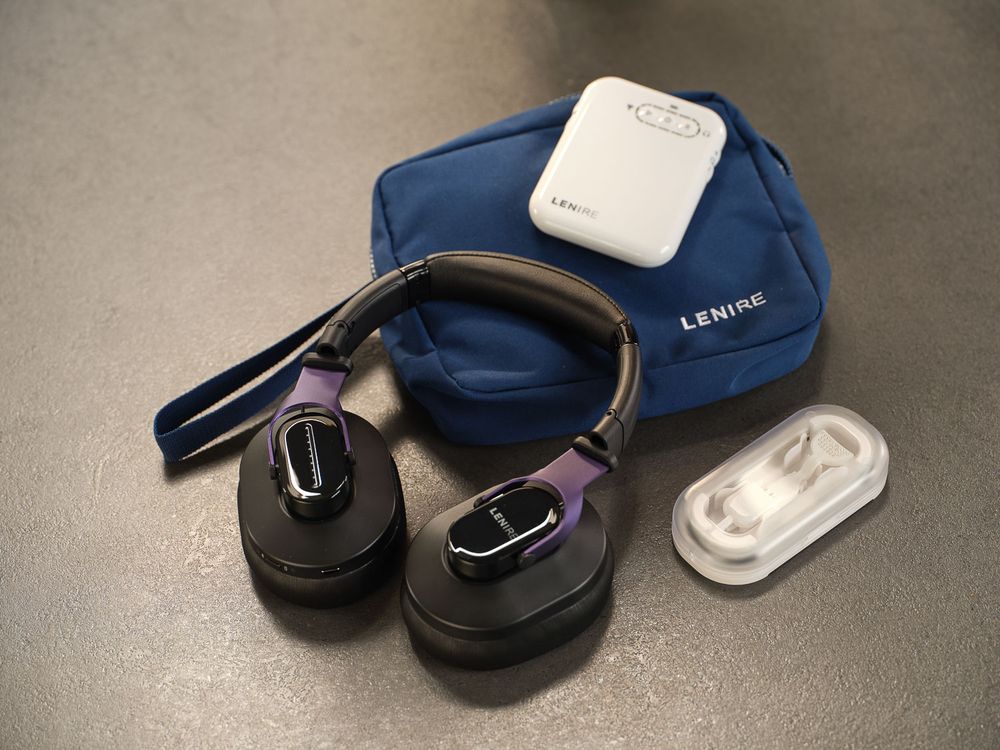
What is in the Lenire kit: Tonguetip, controller and headphones
Each device is configured for one patient. We programme the sound from your audiogram, calibrate the Tonguetip to your sensation threshold and supervise your first session before the device goes home with you. The kit also contains a charger, a carry case and a quick start guide.
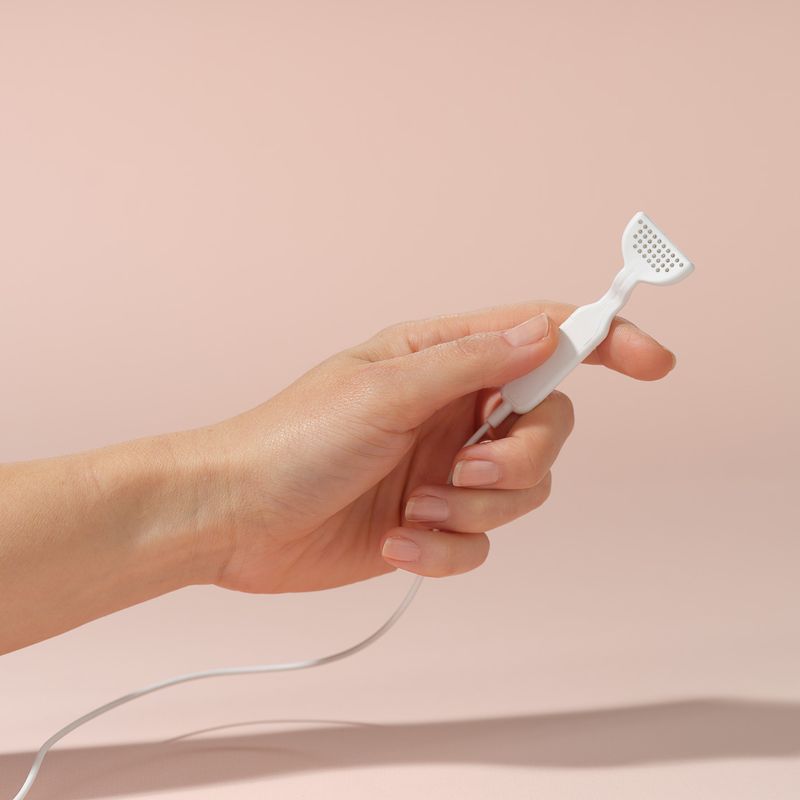
Tonguetip®
The Tonguetip rests behind the upper front teeth, and its 32 electrodes deliver mild pulses to the tip of the tongue. It is a single-patient component with a service life of 180 hours of use.
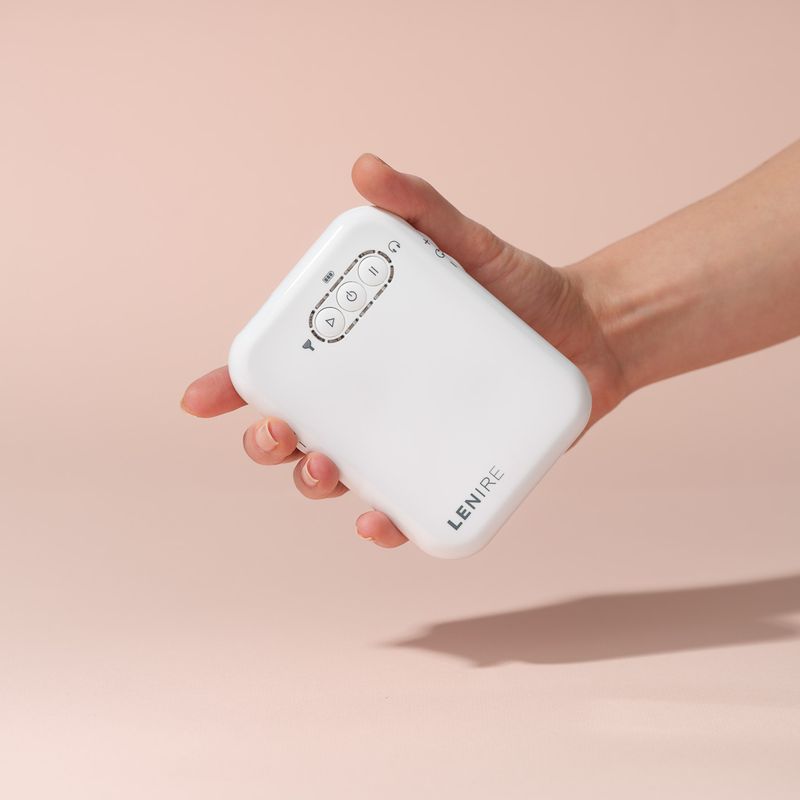
Handheld controller
The controller starts, pauses and resumes each session, and it adjusts the sound volume and the intensity of the tongue stimulation. A full charge provides about eight hours of treatment.
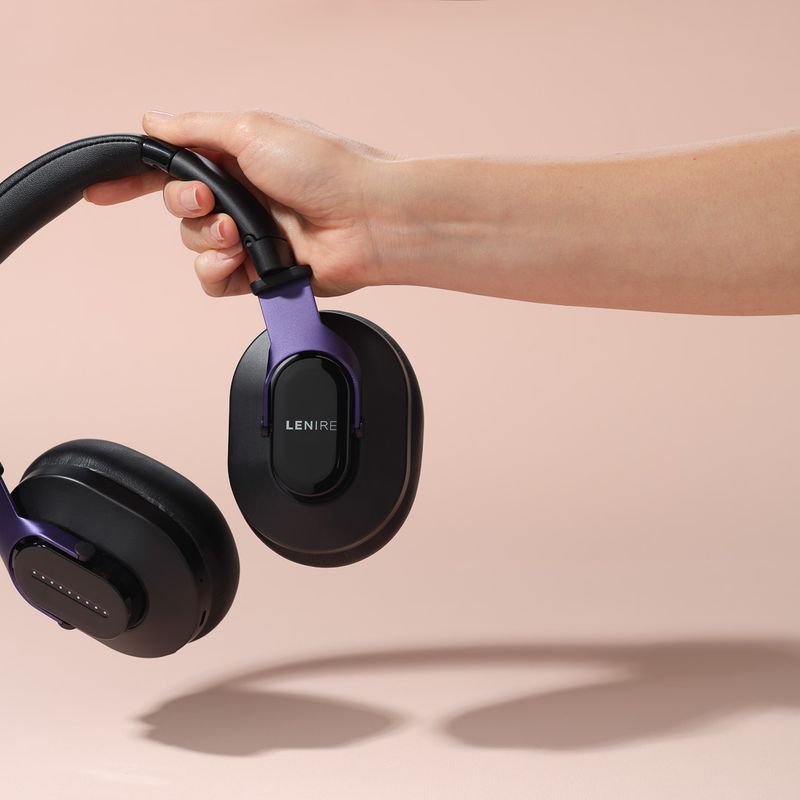
Bluetooth headphones
The wireless over-ear headphones deliver the sound stimulus at the level calibrated for each ear. Lenire operates only with the headphones supplied, which ensures that the sound is delivered as configured at the fitting.
Lenire clinical trial results and published evidence
We assess every new tinnitus device cautiously before offering it. The evidence for Lenire is published and peer reviewed: more than 600 people took part in three clinical trials. The most recent was a controlled trial conducted with guidance from the US Food and Drug Administration (FDA), after which Lenire became the first bimodal neuromodulation device approved by the FDA for tinnitus. The figures below were reported by the manufacturer, Neuromod Devices, from these clinical trials.
TENT-A1 · 326 patients
TENT-A1 was a double-blind randomised trial, published in Science Translational Medicine, that compared three stimulation settings and had no placebo group. Of the participants who completed 12 weeks of treatment, 86% reported an improvement in tinnitus severity, and 80% of those who used the device as instructed retained that improvement 12 months after treatment ended.
TENT-A2 · 191 patients
TENT-A2 was a double-blind randomised trial, published in Scientific Reports, that compared further stimulation settings and also had no placebo group. It showed that changing the stimulation settings midway through treatment improved outcomes. Among participants who used the device as instructed, 91% retained their improvement for 12 months, and the mean reduction on the Tinnitus Handicap Inventory was 20 points, which corresponds to one full severity grade.
TENT-A3 · 112 patients
TENT-A3 was a controlled trial published in Nature Communications that compared six weeks of Lenire with six weeks of sound therapy alone. Lenire was more effective in participants with moderate or more severe tinnitus, and the trial led to FDA De Novo approval.
1. Darcy et al., BMJ Open 2017;7:e018465 (TENT-A1 protocol). 2. Conlon et al., JMIR Res Protoc 2019;9(9):e13176 (TENT-A2 protocol). 3. Conlon et al., Science Translational Medicine 2020;12:eabb2830. 4. Conlon et al., Scientific Reports 2022;12:10845. 5. Boedts et al., Nature Communications 2024;15:6806. 6. McMahan et al., Communications Medicine 2025, doi:10.1038/s43856-025-00837-3. Studies 1 to 5 were sponsored by Neuromod Devices. Individual results vary. See lenire.com/clinical-trials for full details.
Clinical trial results describe groups of participants and do not predict the outcome for an individual. Lenire does not help everyone, and the outcome for an individual cannot be predicted with certainty. However, the assessment can identify factors that make success unlikely, and in that case we do not recommend Lenire. We also measure your tinnitus before treatment begins and review your progress at defined intervals.
What we observe in our own patients
We have prescribed Lenire since 2026, and our recommendations are strict because they are based on our years of clinical work with tinnitus. To date, most of the patients for whom we have prescribed Lenire have reported an improvement in their tinnitus at their reviews, and some have also reported better sleep, attention and concentration. Tinnitus usually fluctuates during the first three months, and progress is not linear. These are early clinical observations from our own patients. They are not clinical trial results, and they do not predict the outcome for any individual.
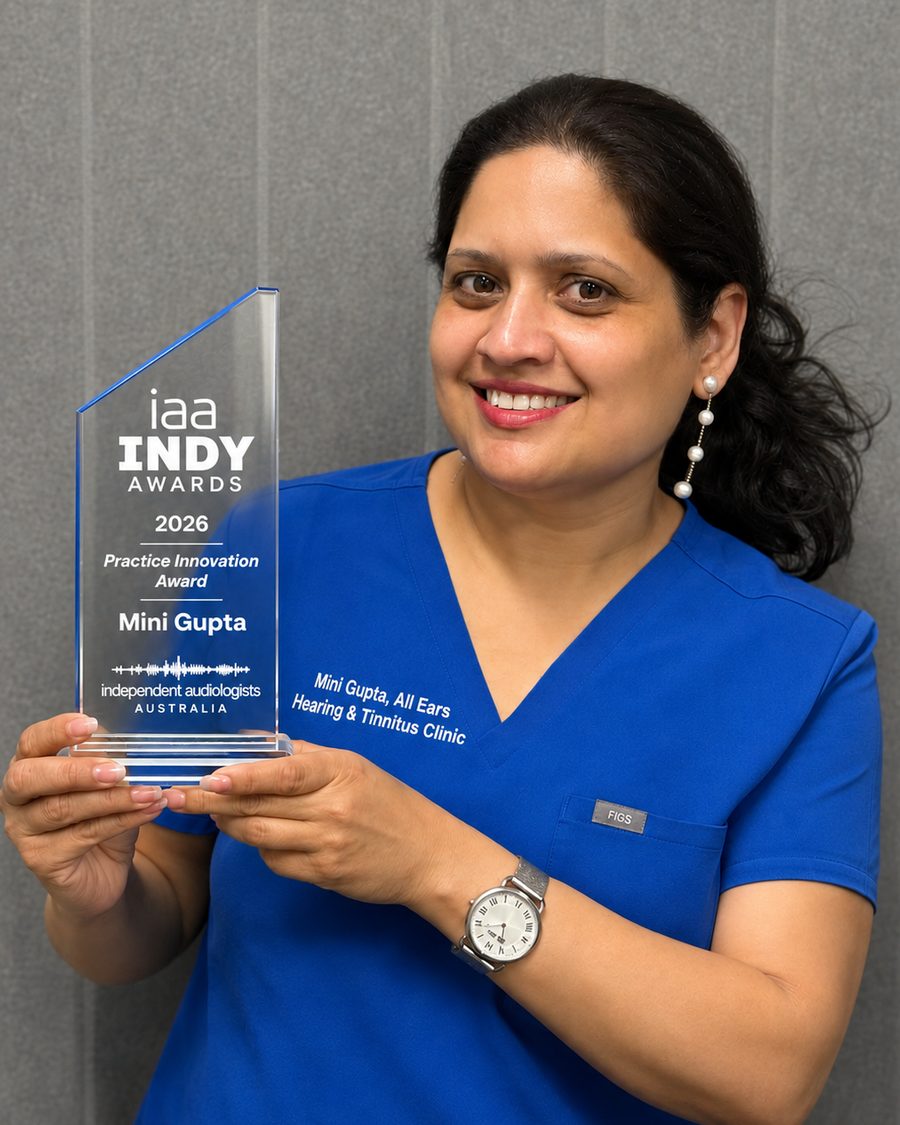
Why I chose to bring Lenire to our clinic
My career began in hospital cochlear implant and hearing aid clinics. In 2017 I founded this clinic so that people with tinnitus and sound sensitivity would have access to specialist care. I trained in Tinnitus Retraining Therapy under Dr Pawel and Dr Margaret Jastreboff and completed a fellowship in tinnitus and hyperacusis at Salus University. Over the years I have been asked to offer many tinnitus devices, and I have declined most of them.
I agreed to offer Lenire because its evidence is published and peer reviewed and because it is compatible with the counselling and sound therapy that we already provide. I also trialled the device myself before agreeing to prescribe it. If Lenire is not the appropriate treatment for you, I will say so and explain why. Our responsibility is to treat your tinnitus, and fitting a device is only one of the ways to do that.
Mini Gupta, Tinnitus and Sound Sensitivity Specialist Audiologist
Would you like to know whether Lenire suits you?
The candidacy assessment answers that question. There is no obligation to proceed, and you receive a treatment plan whether or not Lenire is recommended.
What Lenire asks of you, and what improvement means
Lenire is a commitment of time, and its results differ from one person to the next. We explain both before you decide, so that your expectations match what the treatment can do.
The commitment
Daily use. Lenire is used for 30 to 60 minutes every day, usually as two 30-minute sessions in a quiet room without a phone or television, for at least three months.
Why three months. The reason lies in the way neuroplasticity works. A single session changes the activity of neurons only briefly. It is the repetition of paired stimulation, day after day over many weeks, that allows this change to consolidate into a lasting reorganisation of the central auditory system. The two largest clinical trials used a treatment period of 12 weeks and measured their results at that point. For these reasons we ask you to allow a minimum of three months before judging the outcome.
Three months is a minimum. Many patients believe that the full treatment takes only three months. This is not the case. Three months of use is the minimum required before the result can be judged, although some people notice a change earlier. The time needed to achieve a much improved tinnitus differs for every patient and depends on individual circumstances.
No trial or return. There is no trial period, and once the device has been ordered for you it cannot be returned or refunded. Your rights under the Australian Consumer Law for a faulty device are not affected. We are therefore strict about recommending Lenire.
What improvement means
Individual results. Improvement differs between individuals, because each person's auditory system is different, as are the type of tinnitus, the number of years it has been present and the distress that it causes. Lenire is not a cure, and the tinnitus may remain audible while it becomes less intrusive.
Guidance from Mini Gupta. Our tinnitus specialist, Mini Gupta, is highly experienced and is recognised internationally for her work in tinnitus. She guides and coaches each patient towards a good clinical outcome. Her advice is individual, so the advice given to you may differ from the advice given to another patient of the clinic.
Sound between sessions. We may also show you how to use general sound for relief during the night and the day, at times when you are not using Lenire.
Your Lenire treatment pathway at All Ears Hearing
Lenire is a prescription treatment. It therefore begins with a candidacy assessment and continues with scheduled reviews. The testing is usually carried out by audiologist Ingrid Lau, and Mini Gupta conducts the consultation, makes the recommendation, performs the fitting and sees you at every follow-up appointment. If a problem arises between reviews, a short device support appointment can be booked.

Ingrid Lau
Clinical Audiologist
Ingrid usually carries out the testing part of your candidacy assessment, at any of our clinics.
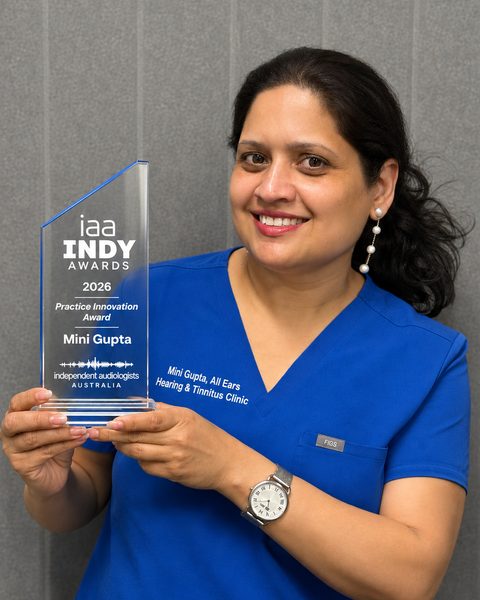
Mini Gupta
Tinnitus and Sound Sensitivity Specialist Audiologist
Mini conducts your consultation, makes the recommendation, performs the fitting at Mount Waverley and sees you at every review.
Questionnaires
We email you a Lenire health and suitability questionnaire together with the Tinnitus Handicap Inventory, the Tinnitus Functional Index and a hyperacusis questionnaire. Medical clearance from your doctor is not required for everyone. If it is required in your case, we will tell you after your assessment.
Lenire candidacy assessment
Part 1 consists of 45 minutes of testing at any of our clinics, usually with Ingrid Lau. Part 2 is a 45-minute consultation with Mini Gupta, usually by telehealth, in which she explains your results, makes her recommendation and describes the other treatments that we offer.
Order and consent
We explain the fees, the terms and the consent form in writing, answer your questions and then order your device. There is no charge for this appointment.
Lenire fitting
Mini performs the fitting at our Mount Waverley clinic, which is the only clinic where Lenire is fitted. She configures the sound from your audiogram, calibrates the Tonguetip to your sensation threshold, pairs the headphones and supervises your first session.
Home use
Lenire is used for 30 to 60 minutes a day, usually as two 30-minute sessions in a quiet place, for at least three months. We contact you one to two weeks after the fitting to check your progress.
Progress reviews
Mini conducts every review, at any of our clinics or by telehealth. At the 30-minute reviews at 6 and 12 weeks she repeats the questionnaires and adjusts the stimulation if required. The full programme lasts six months, with further reviews at about 18 and 24 weeks and an optional review at 12 months.
The Lenire device belongs to you. At the end of the programme we advise on continued use, on replacement Tonguetips and on combining Lenire with sound therapy, Tinnitus Retraining Therapy or hearing aids.
Who is a candidate for Lenire?
Lenire is a prescription device, and a comprehensive assessment of safety and candidacy is therefore required before it can be recommended. It is one of several evidence-based treatments that we offer, and it is not suitable for everyone. At the candidacy assessment we examine your tinnitus, your hearing, your sound tolerance and your goals, and we then recommend the treatment that is most appropriate. We are very careful with our recommendations. If we identify any indication that Lenire is unlikely to succeed for you, we will not recommend it, we will explain the reason, and we will discuss the other treatment options with you.
If Lenire is not right for you
You will still receive a treatment plan. Depending on the assessment results, we may recommend:
- Tinnitus Retraining Therapy, our six-month programme combining counselling and sound therapy.
- A general sound therapy programme for milder or recent-onset tinnitus.
- Hearing aids, on their own or combined with Lenire or TRT, where reduced auditory input (hearing loss) is contributing to the tinnitus.
- A desensitisation protocol for hyperacusis or misophonia, which in some cases must precede tinnitus treatment.
- Referral to your GP or an ENT specialist where a medical cause needs to be ruled out first.
Lenire cannot be prescribed if you
- Have a pacemaker, defibrillator, cochlear implant or any other active implanted device.*
- Are pregnant.*
- Have epilepsy or any condition that may cause loss of consciousness.
- Have a condition that reduces sensation in the tongue.
- Have sores, lesions or inflammation in the mouth that could touch the Tonguetip.**
- Have intermittent or chronic neuralgia in the head or neck.
- Have been diagnosed with Ménière's disease.
*Unless directed by a physician. **Unless directed by a physician or dentist. Hearing thresholds must also fall within the Lenire fitting range, which we measure at the assessment.
Unsure whether you are a candidate?
You do not need to decide that yourself. Tell us about your tinnitus, and we will advise whether a candidacy assessment is the appropriate next step.
Lenire compared with our other tinnitus treatments
Lenire is one level in our tiered approach to tinnitus care. Every option is discussed at the consultation, and the recommendation is based on your assessment results.
| Treatment | What it is | Usually suits | Programme |
|---|---|---|---|
| Sound therapy | Sound enrichment for day and night, using a bedside sound machine and open-ear headphones, with training in how to use them. | Milder or recent-onset tinnitus. | Two appointments over six weeks. |
| Lenire | Bimodal neuromodulation: tongue and sound stimulation at home for 30 to 60 minutes a day. | Adults with chronic subjective tinnitus who meet the candidacy criteria. | Candidacy assessment, fitting, then reviews for up to six months. |
| Tinnitus Retraining Therapy | Counselling and sound therapy based on the neurophysiological model, with a desensitisation protocol where sound sensitivity is present. | Tinnitus, including when hyperacusis or misophonia is also present. | Six months, with reviews every four weeks. Telehealth is possible after the first appointment. |
| Hearing aids | Hearing aids restore input to the auditory system and can be combined with Lenire or Tinnitus Retraining Therapy. | Tinnitus with reduced auditory input (hearing loss). | The programme is planned individually. Hearing aids must be fitted at least 90 days before a Lenire fitting. |
Lenire cost and funding in Australia
The Lenire candidacy assessment takes 90 minutes and costs $329. In Australia, the cost of Lenire is generally between about AUD 7,500 and AUD 9,000, depending on the provider. This is a general range and not a quotation. After the assessment you receive our fees for the recommended treatment in writing, before you make any decision.
Rebates and health funds
There is currently no Medicare rebate for the Lenire device, and private health fund cover varies, so please check with your fund.
If Lenire is found not to be clinically recommended, we will discuss other treatment options with you.
Veterans and DVA
If you hold a DVA card, your assessment may be fully or partially subsidised. Please call us so that we can confirm this.
We can also assist with an application to DVA for approval of Lenire, and we prepare the supporting clinical information.
Lenire FAQs: questions that patients ask us
The answers below are written by our clinicians and are based on Lenire's approved patient information and on our clinical experience. If your question is not answered here, please call us on 03 9886 7157.
About Lenire
What is Lenire?
Lenire is a handheld medical device for adults with chronic subjective tinnitus. It uses bimodal neuromodulation: mild electrical pulses delivered to the tongue through a Tonguetip are paired with sound played through Bluetooth headphones. When it is used for 30 to 60 minutes a day for at least three months, it is intended to reduce the attention and sensitivity of the central auditory system to tinnitus. Lenire is made by Neuromod Devices in Ireland and is available only by prescription from a trained provider.
How does Lenire work?
Tinnitus is generated in the central auditory system of the brain and not in the ear. It persists because of maladaptive neuroplasticity: when input to the auditory system is reduced, the auditory pathways reorganise and the tinnitus signal is maintained. Lenire stimulates two inputs at the same time, namely the auditory nerve through sound and the trigeminal nerve through the tongue. Both project to the cochlear nucleus in the brainstem and converge again at higher levels of the auditory pathway. Laboratory research indicates that stimulating them together promotes adaptive neuroplasticity in the central auditory system more strongly than sound alone, and with repeated sessions the system is thought to become less responsive to the tinnitus signal. Lenire therefore aims to act on the mechanism of tinnitus as well as on its effect on daily life. The precise mechanism in humans is still being studied.
What is neuroplasticity, and why does it matter for tinnitus?
Neuroplasticity is the capacity of the brain to reorganise its connections throughout life. It can be adaptive, as when a person learns a language, or maladaptive, as when the auditory system reorganises after its input is reduced and begins to generate tinnitus. Lenire is based on the principle of promoting adaptive neuroplasticity. Research indicates that stimulation of the tongue is one of the strongest reinforcing signals for adaptive change in the auditory system. This is the proposed explanation for why pairing it with sound produces effects that sound therapy alone does not, and why those effects were still present one year after treatment in the trials.
Is Lenire approved in Australia?
Yes. Lenire is included on the Australian Register of Therapeutic Goods (ARTG 511728, sponsored by MDSS AU Pty Ltd) and carries the RCM mark. It also holds US FDA De Novo approval, granted after the TENT-A3 controlled trial, and is a CE-marked Class IIa medical device certified by the British Standards Institution. In Australia it can only be prescribed by a trained Lenire provider such as All Ears Hearing.
Where can I get Lenire in Melbourne and Victoria?
Lenire is available only through trained provider clinics, of which there are a small number in Australia. All Ears Hearing has been a certified Lenire provider since August 2026. The candidacy assessment is available at any of our clinics in Mount Waverley, Bentleigh East and Yarra Junction. The fitting takes place at Mount Waverley only. Follow-up appointments are available at any clinic or by telehealth.
Was the research controlled, and could the results be placebo?
TENT-A1 and TENT-A2 were double-blind randomised trials that compared different stimulation settings. They did not include a placebo group. TENT-A3 was a controlled trial, run with FDA guidance, comparing Lenire with sound therapy alone. Neuromod's Scientific Advisory Board notes that placebo effects fade within a short period, whereas 80% of compliant TENT-A1 participants still had improvement 12 months after treatment ended. The improvements recorded also exceed the threshold defined as clinically relevant for tinnitus interventions.
How long do the results last?
In TENT-A2, participants used Lenire for 12 weeks and then returned the device. Without further treatment, 91% of those who had used it as instructed retained their improvement one year later. Data were not collected beyond one year, so the duration of the effect after that point is unknown. Outcomes vary between individuals, and we review your progress at each appointment.
Suitability
Who is Lenire suitable for?
Lenire is for adults aged 18 and over with chronic subjective tinnitus, which is tinnitus only you can hear, regardless of whether it sounds like ringing, hissing, buzzing or a mix of sounds. No pattern has emerged showing that one tinnitus sound responds better than another. Suitability is confirmed at your assessment.
I have hearing loss. Can I still use Lenire?
In most cases, yes. Lenire has a fitting range, which ensures that the sound stimulus is audible as intended: in broad terms, hearing thresholds of 40 dB HL or better at low frequencies and 80 dB HL or better at high frequencies. There is evidence that the treatment can still be effective when at least a quarter of the audiometric points between 500 Hz and 8 kHz fall within this range. Severe or profound hearing loss may exclude Lenire. We measure your hearing at the assessment and explain whether your thresholds fall within the fitting range.
What if I wear hearing aids?
Hearing aid users can use Lenire, subject to two conditions. First, hearing aids must have been fitted at least 90 days before a Lenire fitting, so that you have adjusted to them before starting Lenire. Second, hearing aids must be removed for each Lenire session, because the headphones deliver sound that is calibrated to your unaided hearing.
I have hyperacusis or sound sensitivity. Can I use Lenire?
Lenire is intended for tinnitus and can be used safely by people with hyperacusis to treat their tinnitus. The sound is configured from your hearing thresholds, and you can lower the volume on the controller within limits that we set. We can also reduce or switch off the background noise component and apply a further 6 dB reduction in volume. Because the clinic specialises in hyperacusis and misophonia, we assess your sound tolerance first and discuss whether desensitisation should precede, accompany or replace Lenire.
My tinnitus started after using headphones and I am nervous about wearing them again. Will Lenire work for me?
Lenire involves wearing over-ear headphones for up to an hour a day, and the treatment is not suitable if that is not possible. However, the sound is set at safe levels that are calibrated to your hearing, and the volume range is limited so that the sound remains within safe levels. Trial data showed no treatment-related serious adverse effects on hearing thresholds, including in people with noise-induced hearing loss. If you are concerned, we can supervise a session in clinic so that you can experience the sound levels before deciding.
Does Lenire treat pulsatile tinnitus or Ménière's disease?
Ménière's disease is a contraindication for Lenire. Pulsatile tinnitus and single-sided deafness require individual assessment, and pulsatile tinnitus in particular should be medically investigated before any tinnitus treatment begins. An assessment allows us to make an individual recommendation, which may be a different treatment or a referral.
Treatment and results
Do I need a referral for Lenire?
You do not need a referral to arrange a Lenire candidacy assessment. Before the appointment we email you a health and suitability questionnaire. Medical clearance from your doctor is not required for everyone. In certain circumstances it may be required, and if so we will tell you after your assessment.
Can I have Lenire if I live in regional Victoria or interstate?
Yes, although some travel is required. The testing must be done in person at one of our clinics, and the fitting must take place in person at Mount Waverley, because we measure your hearing and calibrate the device for you. The consultation, the check-in and the progress reviews can be conducted by telehealth, which allows us to treat patients who live far from Melbourne.
How long does treatment take?
Three months is the minimum period of use before the result can be judged. It is not the length of the full treatment, although many patients assume that it is. The time needed to achieve a much improved tinnitus differs for every patient and depends on individual circumstances. Our programme lasts six months, with reviews at 6 and 12 weeks and again at about 18 and 24 weeks. At each review Mini examines your scores and advises you individually, so the advice given to you may differ from the advice given to another patient. Because the device belongs to you, treatment can continue for as long as it is beneficial.
How long are the daily sessions, and when should I do them?
Lenire is used for 30 to 60 minutes a day. Each session lasts 30 minutes, and most people complete two sessions a day, either in the morning and evening or consecutively. Regular use is more important than the time of day, and a fixed routine is therefore recommended. Each session should take place in a quiet room while you are seated comfortably. Reading is acceptable. However, phones, laptops and television should be avoided so that attention is not drawn away from the stimulation.
How soon will I notice a difference?
Some people notice a change after about six weeks. However, neuroplastic change consolidates gradually with repeated stimulation, and the two largest clinical trials measured their results after 12 weeks of treatment. We therefore ask you to allow at least three months before judging the outcome. Tinnitus usually fluctuates during the first three months, and progress is not linear. We monitor your progress at each review with the Tinnitus Handicap Inventory (THI) and the Tinnitus Functional Index (TFI), two standard questionnaires that measure the effect of tinnitus on daily life.
Does Lenire work for everyone?
No. Most trial participants who used the device as instructed improved. However, not everyone benefits, and the outcome for an individual cannot be predicted with certainty. The assessment can identify factors that make success unlikely, and in that case we do not recommend Lenire. Lenire reduces the impact of tinnitus but does not cure it, and the tinnitus sound may remain audible. For these reasons we measure your tinnitus before treatment begins, review your progress at defined intervals and adjust the treatment where required. We also discuss every other treatment option with you at the consultation.
Can Lenire make my tinnitus worse? What are the side effects?
The most common side effect is a temporary fluctuation in tinnitus early in treatment. This can occur with any tinnitus treatment, including hearing aids, and it usually resolves. In TENT-A3, 11 of 112 participants reported fluctuations that were possibly related to treatment. All were followed until the fluctuation resolved, and none withdrew because of it. Less common effects include discomfort of the tongue (which is managed by reducing the stimulation level), temporary discomfort where the Tonguetip touches metal fillings or retainers, a mild allergic reaction to the Tonguetip materials, and headache. No serious adverse events related to Lenire were reported in any trial. If your tinnitus changes markedly, please contact us before stopping treatment.
What if I miss a session?
Continue as normal the next day. Regular use gives the best results. However, a single missed session does not reverse your progress. If the schedule is difficult to maintain, tell us at your review so that we can adjust it.
Can I lie down or fall asleep during a session?
You can lie down, as long as there is no chance of falling asleep. The Tonguetip must stay in contact with your tongue for the whole session, and the session pauses automatically if contact is lost for more than 30 seconds. Do not use the Tonguetip when going to sleep or after alcohol or anything that causes drowsiness.
Using the device
What does the Tonguetip feel like?
Most people describe a light tingling on the tip of the tongue. We calibrate the level to your sensation threshold at the fitting, and the treatment level may be barely perceptible. You can adjust it on the controller for comfort. This adjustment does not change the effectiveness of the treatment, so the level can be set wherever it is comfortable.
Can I use my own headphones, a speaker or my own music?
No. Lenire works only with the headphones supplied, and it will not stream to speakers or other Bluetooth devices. The audio was composed by Neuromod and is configured to your hearing. There is no way to load your own music. The treatment has only been shown to be effective with the supplied headphones. We may change the stimulus at a follow-up visit depending on your progress.
What if the sound is too loud or too soft?
The volume is set at the fitting to the optimum level for your hearing. You can raise or lower it on the controller within a limited range that remains safe for your hearing. Depending on your audiogram the sound may seem soft, which is why a quiet room is recommended. If the sound is uncomfortable even at the lowest setting, pause treatment and contact us.
How do I clean and store the Tonguetip?
Rinse it with water before first use and before each session, or wipe it with a 70% isopropyl alcohol wipe and let it air-dry for at least a minute. Do not use any other cleaning agent. Store it in the carry case provided, in a clean dry place. The Tonguetip is a single-patient device and must never be shared.
Why does the Tonguetip expire, and how long does it last?
The Tonguetip expires after 180 hours of use (about six months at 60 minutes a day) in order to protect the cleanliness and integrity of its 32 electrodes. The controller light turns orange when fewer than 10 hours remain and red once the Tonguetip has expired. Replacement Tonguetips are supplied through the clinic. Each one contains its own circuitry and is manufactured to medical-grade standards.
Who do I contact if something goes wrong with the device?
Please contact the clinic. As the prescribing clinic, we manage troubleshooting, pairing problems, replacement Tonguetips and warranty claims, and we liaise with Neuromod on your behalf. Most problems, such as headphones that do not connect or a controller that does not power on, can be resolved in a short device support appointment by telehealth.
Appointments, cost and warranty
How much does Lenire cost, and is it covered?
The Lenire candidacy assessment takes 90 minutes and costs $329. In Australia, the cost of Lenire is generally between about AUD 7,500 and AUD 9,000, depending on the provider. This is a general range and not a quotation. After the assessment you receive our fees for the recommended treatment in writing, before you make any decision. There is currently no Medicare rebate for the Lenire device, and private health fund cover varies, so please check with your fund.
Is Lenire available through DVA for veterans?
If you hold a DVA card, your assessment may be fully or partially subsidised, so please call us first. We can also help you apply to DVA for approval of Lenire. Approval is decided by DVA, and we prepare the supporting clinical information for the application.
Is there a trial period or a refund for Lenire?
No. There is no trial period for Lenire, and once the device has been ordered for you it cannot be returned or refunded. Each device is configured for one person, and the treatment needs weeks of consistent daily use before its effect can be judged. Your rights under the Australian Consumer Law for a faulty device are not affected.
We are therefore very careful with our recommendations. If we identify any indication that Lenire is unlikely to succeed for you, we will not recommend it, and we will explain the reason.
Can I buy Lenire online, over the counter or second-hand?
No. Lenire is customised to each patient's hearing and tinnitus profile after a detailed assessment, and must be demonstrated and fitted by a trained provider. Second-hand devices and purchases by a third party on your behalf are not permitted, even if the device has never been used.
Does Lenire have a warranty?
Lenire comes with a three-year warranty. The controller has an expected service life of three years, and the Tonguetip lasts 180 hours of use. If the device malfunctions inside or outside the warranty period, contact us and we will arrange support.
Enquire about a Lenire candidacy assessment
The candidacy assessment is a clinical assessment, and there is no obligation to proceed with Lenire. It establishes the factors that contribute to your tinnitus and whether Lenire or another treatment is the appropriate next step. To arrange one, call 03 9886 7157, email contact@allearshearing.com.au or send an enquiry. We see patients in Mount Waverley, Bentleigh East and Yarra Junction, and we provide follow-up by telehealth across Australia.
- Contact us. Call, email or send an enquiry.
- Complete the questionnaires. We email them to you and arrange your candidacy assessment.
- Receive your recommendation. You receive the result and the fees in writing, with no obligation to proceed.
Lenire clinics in Melbourne and the Yarra Valley
The candidacy assessment is available at any of our clinics. The fitting takes place at Mount Waverley only. Follow-up appointments can be held at any clinic or by telehealth, which allows us to treat Lenire patients in regional Victoria and interstate.
Mount Waverley
Suite 1, Level 1, 407 Blackburn Road. This is our main clinic, serving the eastern and south-eastern suburbs of Melbourne. Lenire assessment, fitting and follow-up are all available here.
Bentleigh East
This clinic serves Bentleigh, Brighton, Moorabbin and the surrounding suburbs. Lenire assessment and follow-up are available here.
Yarra Junction
This clinic serves Healesville, Warburton, Lilydale and the outer eastern suburbs. Lenire assessment and follow-up are available here.
Lenire® and Tonguetip® are registered trademarks of Neuromod Devices Limited. Lenire is a prescription medical device included on the Australian Register of Therapeutic Goods (ARTG 511728). Always read the label and follow the directions for use. Lenire is intended to reduce the symptoms of chronic subjective tinnitus in adults aged 18 and over and is not a cure for tinnitus. Individual results vary. Clinical trial figures refer to participants who used the device as advised. The information on this page is general in nature and does not replace an individual assessment by a qualified audiologist.